TL;DR: Are cat water fountains worth it? Yes—if you maintain them. A cat water fountain can encourage cats that ignore still bowls, but the pump, basin, filter, spout, and tubing need routine cleaning. Rinse and refill often, deep-clean weekly, descale as needed, and replace filters and worn pump parts before slime, noise, or weak flow starts.
A cat water fountain is only worth it when it stays clean, quiet, and easy for your cat to use. The moving water can make a reluctant drinker more curious, but a neglected cat drinking fountain quickly becomes a source of slime, mineral scale, weak flow, pump noise, and stale-tasting water. Use this guide as a practical maintenance routine for a cat pet water fountain, whether you use a compact kitty water fountain, a stainless steel cat water fountain, or a larger fountain water cat setup for multiple pets.
Tools and Supplies
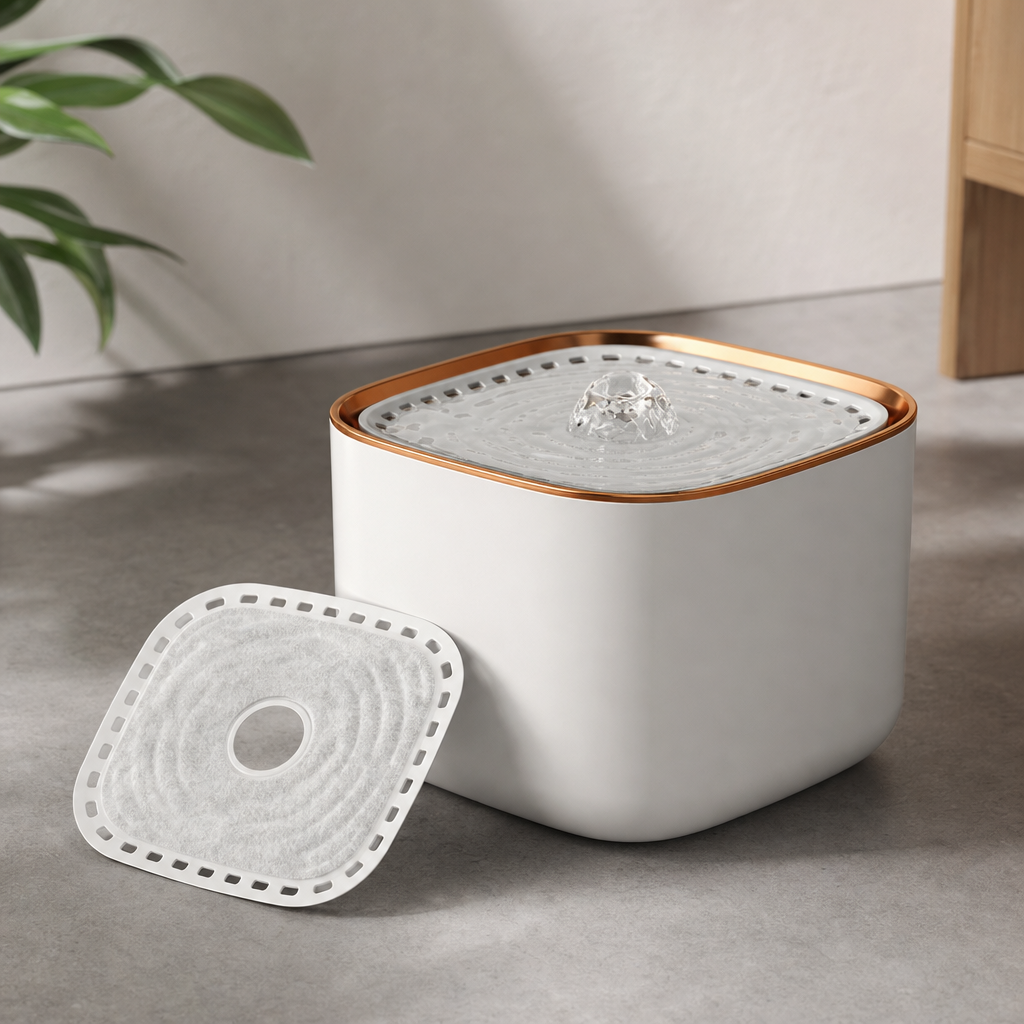
- Mild dish soap with no strong fragrance
- Warm water
- Small cleaning brush or bottle brush
- Soft sponge or non-scratch cloth
- Cotton swabs or a small detail brush for pump crevices
- White vinegar for mineral scale
- Fresh filter cartridges made for your fountain
- Clean towel for drying parts
- Optional: dedicated pet-safe cleaning basin, especially for multi-pet homes
Step 1: Unplug or Power Down the Fountain
Turn off the fountain before touching the pump, control module, or charging port. For a corded feline water fountain, unplug the power adapter from the wall first. For a rechargeable cordless fountain, power it down and move the control module or charging area away from splashing water before disassembly.
Do not clean around a running pump. Even if the basin looks harmless, the pump intake can trap hair, dust, food crumbs, and softened debris. Powering down also helps you hear and feel whether any parts are loose when you reassemble the fountain later.
Step 2: Empty the Basin and Remove Loose Debris
Pour out the old water completely. Check the bottom of the basin for hair, food particles, litter dust, and cloudy residue. If your cat paws at the water or drops kibble into it, debris can collect faster than expected, especially in the corners and around the pump intake.
Rinse the basin with warm water before using soap. This first rinse prevents grit from scratching plastic surfaces and helps you see whether the slick film is light biofilm or heavier mineral buildup. A cat bubbler fountain with a visible stream may look clean from above while the lower reservoir is already slippery.
Step 3: Disassemble the Fountain Completely
Remove the lid, spout, nozzle, filter tray, filter, pump cover, and any tubing or flow channel pieces. A removable design is not just a convenience feature; it is what lets you reach the areas where grime hides. If you are comparing designs before buying, prioritize fountains that break down into simple parts, as explained in our guide on how to choose a cat water fountain.
Lay the parts in order on a towel. This makes reassembly easier and helps prevent small pieces from rolling into the sink. Pay close attention to silicone gaskets, nozzle inserts, and pump covers. These parts often collect slime along the edges, even when the main basin looks clean.
Step 4: Wash the Basin, Lid, and Drinking Surface
Wash the basin, lid, and exposed drinking surface with warm water, mild dish soap, and a soft sponge. Scrub the waterline, corners, and the area where the stream returns to the basin. Cats often drink from the moving stream and the pool below it, so both areas need the same level of cleaning.
For a stainless cat water fountain, use a non-scratch sponge or soft cloth. Stainless steel resists odor better than many plastics, but abrasive pads can leave marks that collect residue over time. For plastic parts, avoid rough scouring entirely; scratches can hold biofilm and make the fountain harder to keep fresh.
Rinse until the water runs clear and there is no soap smell. Cats can be sensitive to scent, and leftover detergent can make a water drinking fountain cats previously liked suddenly seem unappealing.
Step 5: Clean the Pump and Intake Carefully
The pump is the part most likely to cause complaints about noise, weak flow, and unreliable circulation. Remove the pump cover according to the fountain’s design, then rinse away hair and sediment. Use a cotton swab or small brush around the intake slots and impeller area. If the impeller is removable, clean around it gently and reinstall it straight.
A humming or rattling pump is often not a sign that the whole feline drinking fountain has failed. It may be clogged, sitting crooked, touching the wall of the basin, or running with too little water above the intake. After cleaning, confirm the pump is seated flat and fully submerged to the level required by the fountain design.
Do not soak an electrical control module, charging port, or power connector unless the manual specifically directs it. Clean those areas with a barely damp cloth and dry them thoroughly before use.
Step 6: Scrub Nozzles, Tubes, and Flow Channels
Nozzles and tubes are the easiest places to miss. Run warm water through each opening, then use a small brush to scrub the inside. If your cat drinking fountain has multiple spout options, clean both the installed nozzle and the spare nozzle before storing it. A dry spare part can still collect dust or residue in a cabinet.
Look for cloudy film, hair caught at the bend, or mineral rings near the outlet. These small restrictions can reduce flow and make the water stream sputter. A weak stream may discourage a cat that prefers moving water, turning a useful cats fountain drinker into an ignored appliance.
For a detailed part-by-part routine, use our companion guide on how to clean cat water fountain parts.
Step 7: Descale Mineral Buildup
Mineral scale looks chalky, cloudy, or crusty, especially around the waterline, spout, pump intake, and seams. It appears faster in homes with hard water. Scale can make parts feel rough, slow the water flow, and create places where biofilm clings.
To descale, soak non-electrical parts in a solution of equal parts white vinegar and warm water for 10 to 20 minutes. Scrub with a soft brush, then rinse thoroughly. If the scale remains, repeat the soak rather than scraping with a sharp tool. Sharp scraping can damage plastic and mark stainless steel surfaces.
Keep vinegar away from charging contacts, control modules, and exposed electrical parts. If scale appears near an electrical area, wipe carefully with a damp cloth, then dry completely before reassembly.
Step 8: Rinse, Dry, and Reassemble
Rinse every washed part under clean running water. Soap and vinegar residue can affect taste, and a cat may reject the fountain after one bad sip. Dry the exterior surfaces with a towel, especially around electrical connections, the underside of the pump, and any charging area.
Reassemble the fountain slowly. Seat the pump securely, attach the tubing without kinks, install the nozzle straight, and make sure the filter tray sits flat. If the lid rocks or the spout leans, take it apart and reseat the components before filling. Misalignment can create splashing, rattling, and uneven circulation.
Step 9: Install or Refresh the Filter Correctly
Rinse a new filter under cool running water before use unless your filter instructions say otherwise. This helps wash away loose carbon dust or packing residue. Place the filter in the tray with the correct side facing the water flow, then press it flat so water passes through the filter instead of around it.
A filter is not a substitute for cleaning. It helps catch particles and improve the drinking setup, but it cannot fix a slimy basin, clogged pump, or dirty spout. If the water smells stale, looks cloudy, or the flow slows down, clean the fountain even if the filter is not due for replacement yet.
Step 10: Refill With Fresh Water and Test the Flow
Fill the reservoir with fresh water to the recommended level for your fountain. Running the pump with too little water can increase noise and reduce circulation. For homes where the fountain sits in a bedroom, office, or quiet hallway, maintaining the water level is one of the simplest ways to prevent pump sound from becoming annoying.
Turn the fountain on and watch it for a full minute. Confirm that water flows smoothly, the stream returns to the basin without splashing out, and the pump does not vibrate against the wall. If you hear rattling, turn it off, reseat the pump, check for trapped air, and restart it.
Cleaning Frequency Guidance
Daily
- Check the water level and top off with fresh water.
- Remove visible hair, food crumbs, or litter dust.
- Confirm the pump is fully submerged and the stream is steady.
- Wipe splash areas around the fountain base.
Every 2 to 3 Days
- Empty and rinse the basin if your cat drops food into the water.
- Wipe the drinking surface and spout with a clean cloth.
- Check for early slime around the waterline and nozzle.
Weekly
- Disassemble the fountain and wash all non-electrical parts.
- Clean the pump intake and flow channel.
- Rinse or replace the filter according to its condition and instructions.
- Inspect the power cord, charging port, pump housing, and seals.
Monthly
- Descale parts that show cloudy or chalky buildup.
- Deep-clean the pump cover and impeller area.
- Inspect tubing, nozzles, and filter trays for wear or warping.
- Review whether the fountain capacity still fits your pets’ drinking habits.
Homes with multiple cats, dogs sharing the same fountain, long-haired cats, or hard water may need the weekly cleaning routine more often. If you are choosing between materials, our comparison of stainless steel cat water fountain vs plastic explains why surface material affects odor control, cleaning feel, and long-term upkeep.
When to Replace Parts
Replace the Filter When It Looks Dirty or Flow Drops
Replace the filter when it darkens, smells stale, feels slimy, sheds particles, or no longer allows a steady flow. Also replace it after a deep cleaning if the old filter still smells unpleasant. To control filter cost, buy cartridges that are clearly matched to your fountain model and keep a small backup supply at home so you are not forced to run the fountain with an exhausted filter.
Replace the Pump When Cleaning No Longer Restores Flow
A pump should move water consistently after the intake, cover, and impeller area are cleaned. Replace the pump if it repeatedly stalls, runs hot, makes new grinding sounds, or cannot maintain circulation with the fountain filled correctly. Before replacing it, check that hair is not wrapped around the impeller and that the pump is not vibrating against the basin wall.
Replace Tubing, Nozzles, or Seals When They No Longer Fit Tightly
Replace tubing if it becomes cloudy, stiff, cracked, kinked, or difficult to scrub clean. Replace nozzles if the stream sprays sideways, the outlet is damaged, or mineral scale cannot be removed. Replace seals or gaskets when they stretch, tear, or allow leaks. Loose parts can create noise and inconsistent water flow.
Replace the Basin or Lid When Surfaces Stay Slimy After Cleaning
If a plastic basin is scratched, rough, or permanently cloudy, it can hold odor and residue even after washing. Replace it when the surface no longer feels smooth after cleaning. A cat stainless steel drinking fountain may last longer in this respect, but any basin with damaged seams, sharp edges, or persistent residue should be retired.
How to Keep the Fountain Reliable During Travel or Power Issues
Before leaving for work, an overnight trip, or a weekend away, fill the fountain to its proper level and confirm the stream is running. If your fountain is rechargeable, charge it before you leave and keep the charging cable where you can find it. If your fountain is corded, make sure the plug is secure and the cord is protected from chewing or tugging.
Set out a backup bowl of fresh water when you will be away longer than usual. A water fountain for a cat can make drinking more appealing, but a plain water bowl gives your pet a second source if the pump clogs, power fails, or the reservoir runs low. This is especially important for older cats, cats that already drink heavily, and multi-pet homes.
How to Reduce Pump Noise
- Keep the reservoir filled so the pump intake stays submerged.
- Clean hair and sediment from the intake and impeller area.
- Seat the pump flat against its mounting point.
- Place the fountain on a level surface.
- Move the fountain away from walls or hollow furniture that amplify vibration.
- Check that tubing is connected without kinks or air gaps.
If noise returns quickly after cleaning, inspect the pump and fittings for wear. A quiet best cat drinking fountain routine depends less on marketing claims and more on clean water, a clear intake, secure assembly, and the correct water level.
Related
For a broader comparison of designs, capacities, materials, and cleaning trade-offs, see our best cat water fountains roundup.
The 3.2L Stainless Steel Cordless Cat Water Fountain is a $66.99 stainless water fountain for cats with a 3.2 L basin, rechargeable cordless design, Type-C charging cable, included filter element, removable parts, two nozzle options, water pump, and cleaning brush in the box. Its 895 g stainless basin feels more substantial than lightweight plastic designs, and the cordless setup helps when an outlet is not near the preferred drinking spot.
The 3L Automatic Filtered Cat & Dog Water Fountain is a $31.99 automatic filtered fountain with a 3 L capacity, removable design, circulating flow, no app requirement, multiple style finishes, and an available 6-piece replacement filter chip option. It is the simpler pick when you want a basic cat water fountain stainless alternatives aside, for cats and dogs that just need moving, filtered water.
Related Guides & Products
- Best Cat Water Fountains (Our Picks)
- How to Choose a Cat Water Fountain
- How to Clean Cat Water Fountain Parts
- Stainless Steel Cat Water Fountain vs Plastic
- 3.2L Stainless Steel Cat Water Fountain Review
- 3L Automatic Cat Water Fountain Review
- 3.2L Stainless Steel Cordless Cat Water Fountain
- 3L Automatic Filtered Cat & Dog Water Fountain
Frequently Asked Questions
Are cat water fountains worth it?
Yes, if you clean them consistently. Moving water can attract cats that ignore still bowls, but the basin, pump, filter, and spout need routine washing to stay fresh.
How often should I clean a cat fountain?
Top off and check it daily, wipe surfaces every few days, and deep-clean the basin, pump, spout, and tubing about weekly. Clean more often for multiple pets or hard water.
Why is my cat fountain noisy?
Common causes are low water level, hair in the pump intake, a dirty impeller area, trapped air, crooked pump placement, or vibration against the basin wall.
When should I replace the filter?
Replace it when it looks dirty, smells stale, feels slimy, sheds particles, or reduces flow. Follow the filter instructions and replace sooner if water quality drops.
Can vinegar clean cat fountain scale?
Yes. Soak non-electrical parts in equal parts white vinegar and warm water, scrub gently, and rinse thoroughly. Keep vinegar away from electrical contacts and control modules.
Should I leave backup water out?
Yes, especially when you are away. A backup bowl protects your cat if the pump clogs, the reservoir runs low, or power is interrupted.