TL;DR: To get someone to stop snoring without a fight, address it during the day, agree on one or two low-friction bedtime changes, and track what helps. Start with sleep position, congestion control, alcohol timing, room dryness, and simple nasal airflow support. Keep reusable items clean, discard single-use items after each night, and seek medical guidance for choking, breathing pauses, or severe daytime sleepiness.
If you are asking, how do i get someone to stop snoring, the practical answer is: do not start with blame at 2 a.m. Start with a calm daytime plan, then reduce the most common triggers one at a time. Snoring often gets worse when nasal airflow is restricted, the sleeper rolls onto their back, alcohol relaxes the airway, the room is dry, or bedding and congestion make breathing harder. The steps below are designed to help you stop somebody from snoring as gently as possible while protecting both people’s sleep.
Tools you’ll need
- A notes app or small bedside notebook for tracking patterns
- Extra pillow or body pillow for side-sleep support
- Saline spray or rinse bottle, if nasal dryness or congestion is common
- Mild soap, clean water, and a towel for cleaning reusable nasal items
- Clean pillowcases and sheets
- Optional: a simple nasal strip or reusable nasal dilator for nose-based snoring
Step 1: Bring it up when everyone is awake
Do not try to solve the whole problem while the snorer is half-asleep, embarrassed, or defensive. The first move in how to get someone to stop snoring is to separate the problem from the person. Say what is happening, how it affects sleep, and what you want to try together.
Use a short script: “I know you are not doing it on purpose, but the snoring is waking me up most nights. Can we try a few small changes this week and see what helps?” That wording works better than “You kept me up again,” because it asks for cooperation instead of assigning fault.
If you need to wake them during the night, keep it neutral. A light touch, a quiet “Can you roll to your side?” or a pre-agreed phrase is less likely to start a fight than shaking, sighing, or recording them without warning. Agree in advance that the goal is sleep, not winning an argument.
Step 2: Identify the pattern before changing everything
For three to seven nights, note the conditions around the snoring. You are looking for patterns, not proof. Write down whether the person slept on their back, had alcohol, had a late heavy meal, seemed congested, used a new pillow, had allergies, or was extra tired. Also note whether the snoring sounded nasal, mouth-heavy, irregular, or interrupted by gasps.
This step matters because how to stop a person from snoring depends on the cause. A nose-blocked snorer may respond to nasal airflow support. A back-sleeper may need position changes. A person who snores mainly after drinking may need timing changes. If you change ten things at once, you will not know what helped.
Use simple ratings: 0 for no snoring, 1 for light, 2 for disruptive, and 3 for room-shaking or sleep-breaking. After a week, keep the two changes that clearly reduced the score and drop anything that did nothing.
Step 3: Reduce back-sleeping gently
Back-sleeping often lets the tongue and soft tissue fall backward, narrowing the airway. To prevent someone from snoring without turning bedtime into a wrestling match, set up the bed before sleep begins. Place a body pillow behind the sleeper’s back, or have them hug a pillow so side-sleeping feels stable rather than forced.
A slightly elevated head position can also help some people, especially when congestion or reflux-like discomfort is part of the pattern. Use a supportive pillow arrangement rather than stacking soft pillows so high that the neck bends sharply. The goal is a neutral neck, open chest, and comfortable side position.
If the person rolls onto their back later, use your agreed cue. Keep it short and unemotional: “Side, please.” Then go back to sleep. Repeating a calm cue is usually more effective than restarting the conversation at night.
Step 4: Clear the nose before bed
If the snoring gets worse during allergy season, colds, dry weather, or after exposure to dust, focus on nasal airflow. About 20 to 30 minutes before bed, have the snorer blow their nose gently, use saline if dryness or stuffiness is present, and avoid going to bed with heavy congestion unaddressed.
Keep the process simple enough to repeat. A complicated routine is hard to maintain when everyone is tired. Wash the face, clear the nose, apply any single-use nasal support only to clean, dry skin, and make sure any reusable nasal item is clean and dry before it goes near the nostrils.
To keep someone from snoring because of nasal blockage, also reduce bedroom irritants. Change pillowcases regularly, keep pets off the pillow if allergies are suspected, and avoid strong fragrances near the bed. If the room is very dry, add moisture in a controlled way and clean any water-based device on schedule so it does not become another irritant.
Step 5: Adjust evening habits that relax or irritate the airway
Alcohol close to bedtime can relax throat muscles and make snoring louder. Heavy late meals can also worsen nighttime breathing comfort for some sleepers. If the snoring pattern lines up with either one, move drinks and heavy meals earlier, then compare the next few nights against your notes.
Do not frame this as a character issue. Say, “The loudest nights seem to happen after late drinks. Want to try stopping earlier for a week?” That gives the person a specific experiment instead of a lecture. This is often the difference between how do you get someone to stop snoring and how do you start a bedtime argument.
Hydration can help with dryness, but avoid pushing a lot of fluid right before bed if it causes bathroom wake-ups. Aim for a steady evening routine: lighter late snacks, less airway irritation, a clear nose, and a consistent sleep position.
Step 6: Use nasal support correctly when the sound is nose-based
Nasal support is most useful when the snoring seems tied to restricted nasal breathing: stuffiness, narrow-feeling nostrils, seasonal congestion, or a snorer who says they cannot breathe well through the nose at night. It is less likely to solve snoring that comes mainly from the throat or is paired with breathing pauses.
For an external nasal strip, wash and dry the bridge of the nose first. Place it evenly across the outside of the nose so it lifts the nasal passages without pulling uncomfortably. Press it down along the full adhesive area, then leave it alone; repeatedly peeling and reapplying weakens the hold.
For an internal nasal dilator, wash your hands, rinse the item if appropriate, and insert it gently so it sits securely without pain. It should support airflow, not stretch the nose aggressively. If it causes soreness, pressure marks, or repeated irritation, stop using it and choose a different size, shape, or approach.
Step 7: Clean and store reusable items every morning
Reusable nasal items need a morning cleaning habit. Rinse with warm water, wash with mild soap, rinse again, and let the item air-dry completely on a clean towel. Store it in a clean case or sealed bag once dry. Do not put a damp item into a closed container, because trapped moisture encourages odor and residue.
Single-use nasal strips should be removed slowly in the morning. If the adhesive feels strong, loosen it with warm water and peel from the edges rather than yanking upward. Wash the skin afterward to remove adhesive residue, then discard the strip. Do not reuse it; once the adhesive has been worn overnight, it will not hold or lift the same way.
Clean the sleep surface too. Change pillowcases often, especially during allergy season or after a cold. Wash bedding on a steady schedule. If you use a humidifier, empty and dry the tank daily and deep-clean it according to its care instructions. Maintenance is part of how to stop people from snoring because dirty bedding and neglected accessories can keep nasal irritation going.
Step 8: Know when snoring needs medical attention
Some snoring is more than a household sleep problem. Encourage the snorer to talk with a clinician if you notice pauses in breathing, choking or gasping, morning headaches, severe daytime sleepiness, high blood pressure, chest discomfort, or snoring that is suddenly much worse. These signs can point to sleep-disordered breathing that needs professional evaluation.
Keep the tone practical: “I am worried because I hear pauses, not just noise.” That is very different from “Your snoring is annoying.” If the person feels accused, they may avoid the topic. If they understand that the concern is safety and sleep quality, they are more likely to follow through.
Frequency guidance
Nightly
Use the agreed cue, set up side-sleep support, clear the nose before bed, and apply or insert any nasal support only after the skin and hands are clean. In the morning, discard single-use items and clean reusable ones before storage.
Weekly
Review your snoring notes together for five minutes. Keep the changes that made the biggest difference. Wash pillowcases and bedding, check that pillows still support a neutral neck, and reset the bedroom so the default sleeping position is easy to maintain.
Seasonally or during illness
Recheck the plan during allergy season, colds, travel, or dry winter months. Snoring can change when nasal passages are irritated. Increase attention to clean bedding, saline, room humidity, and accessory cleaning until breathing returns to normal.
When to replace parts
Replace a nasal strip after every use. It is a one-night item: once removed, the adhesive and lifting tension are spent. Replace a reusable nasal dilator or clip when the silicone tears, loses its shape, no longer stays in place, develops a persistent odor, feels sticky after washing, or causes new irritation.
Replace pillows when they no longer keep the head and neck aligned or when they stay flattened after fluffing. Replace pillow protectors if they are stained, stretched, or no longer close properly. Replace humidifier filters, wicks, or cartridges on the schedule for that device, and replace any cracked water tank or part that cannot be cleaned fully.
After a respiratory infection, clean reusable nasal items carefully before the next use. If an item still looks cloudy, smells off, or cannot be rinsed clean, replace it rather than trying to stretch its life.
Related vetted options
If you want to compare approaches beyond the steps above, start with our researched guide to the best anti-snoring solutions. It organizes the common options by use case, which is helpful when you are deciding how can you stop someone from snoring without buying random gadgets.
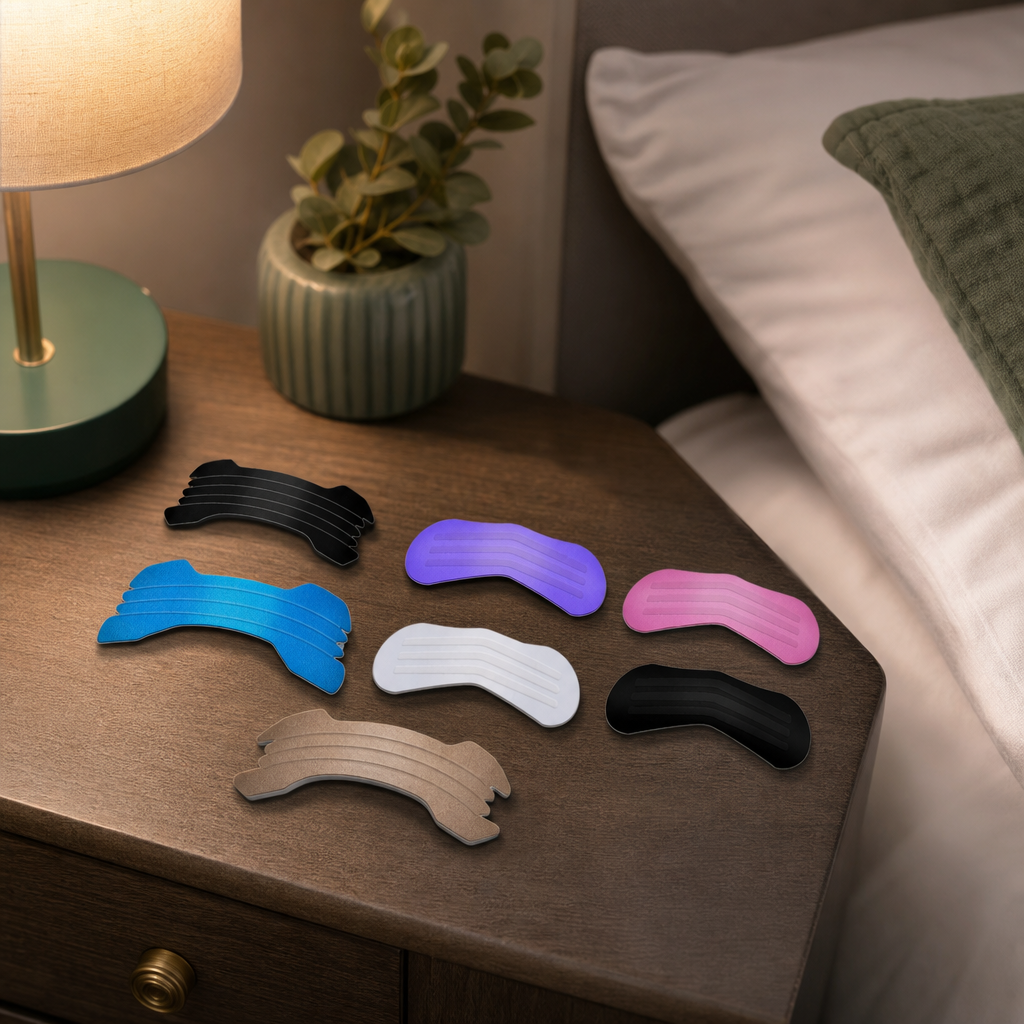
For nose-based snoring where an external lift is the simplest next step, the Nonwoven Anti-Snoring Nasal Breathing Strips are $8.99 and use a nonwoven fabric build in a lightweight 1 g format. They come in multiple shapes, including oval and wave styles, with transparent, black, white, skin-tone, purple, rose red, and blue color options.
For a reusable, non-electric option, the Silicone Anti-Snore Nasal Clip Nasal Dilator is $8.99 and uses a soft silicone build. It is a minimalist nasal clip format with white, orange, and blue color choices, and it suits people who prefer cleaning and reusing one item instead of applying a fresh strip each night.
Related Guides & Products
- Best Anti-Snoring Solutions — Top Picks
- Nonwoven Anti-Snoring Nasal Breathing Strips
- Silicone Anti-Snore Nasal Clip Nasal Dilator
Frequently Asked Questions
How do I raise snoring kindly?
Bring it up during the day, not during a sleep-deprived argument. Use neutral language: explain that the noise is waking you, acknowledge it is not intentional, and ask to try a few small changes together for one week.
Should I wake a snoring partner?
Yes, if you both agree on a gentle cue beforehand. Use a light touch or a short phrase such as “side, please.” Avoid shaking, blaming, or starting a full discussion in the middle of the night.
Can nasal strips stop all snoring?
No. Nasal strips are most useful when snoring is tied to restricted nasal airflow. They are less likely to help if the sound comes mainly from the throat or includes gasping, choking, or breathing pauses.
How often should reusable dilators be cleaned?
Clean reusable nasal dilators every morning after use. Wash with mild soap and warm water, rinse thoroughly, air-dry completely, and store in a clean case or sealed bag once dry.
When is snoring a medical concern?
Snoring deserves medical attention when it includes breathing pauses, gasping, choking, severe daytime sleepiness, morning headaches, chest discomfort, or a sudden major change in intensity.
How long should we track snoring changes?
Track for three to seven nights before judging a change. Note sleep position, congestion, alcohol timing, bedding, and snoring severity so you can keep what works and stop what does not.
This article is for general information only and is not medical advice. Consult a licensed healthcare professional for any health concern.