TL;DR: If you are trying to figure out how to stop someone from snoring without turning bedtime into an argument, start with low-friction fixes that improve nasal airflow. Our curated shortlist has two under-$10 picks: disposable nonwoven nasal strips for the easiest nightly routine and a reusable-style silicone nasal dilator clip for people who prefer an insertable option over adhesive.
Snoring is not just background noise when it keeps a partner awake, triggers complaints, or turns bedtime into a negotiation. The practical question is not only how to stop someone from snoring, but how to do it in a way the person will actually accept at 11 p.m. That usually means starting with simple, non-electric airflow aids and bedroom adjustments before moving to more involved options.
This is a focused BridgePicks shortlist, not a giant roundup. We vetted two budget-friendly nasal airflow products that make sense for common, everyday snoring tied to restricted nasal breathing: a disposable adhesive nasal strip and a soft silicone nasal clip. Neither is a magic fix for every type of snoring, but both address a clear mechanical problem: helping the nose stay more open so breathing through the nose feels easier.
If you are asking how do you get someone to stop snoring without escalating the tension, the tone matters as much as the product. Frame it as a shared sleep problem, not a character flaw. For that conversation-first approach, our guide to getting someone to stop snoring calmly pairs well with the product choices below.
How we picked this curated shortlist
BridgePicks researches, vets, and compares products on observable specs, design choices, everyday usability, and value. For this guide, we focused on anti-snoring aids that are simple enough for a first step: no electronics, no complicated setup, no bedside device to maintain, and no premium price that makes experimentation feel risky.
We compared material, wearing style, fit options, color choices, weight, repeat-use practicality, packaging, and price. We also considered the real household problem: snoring affects sleep quality for both people in the room, and a partner complaint is easier to solve when the remedy is comfortable, discreet, and inexpensive enough to try without overcommitting.
Both picks cost $8.99, which puts them at the low end of the common over-the-counter snoring-aid market. Nasal strips and basic nasal dilators often sit around $8 to $25, while pillows, humidifiers, and positioning products commonly run closer to $25 to $100 depending on the category. For a first purchase, we like starting with the lowest-hassle option that targets nasal airflow directly.
Our two vetted picks for snoring support
Best first step: Nonwoven Anti-Snoring Nasal Breathing Strips
The Nonwoven Anti-Snoring Nasal Breathing Strips are the easiest recommendation for most people who want to know how to stop a person from snoring with minimal friction. They sit on the outside of the nose, use a nonwoven fabric build, and physically lift the nasal area to support better airflow. At 1 g, they add almost no noticeable weight to the face, which matters for people who resist bulky sleep accessories.
These strips are best for someone who is open to an adhesive product and wants a simple nightly habit: clean the nose, apply the strip, sleep, remove it in the morning. The minimalist design also makes them less awkward than larger anti-snore gadgets. The shape options are unusually broad for a budget pick: 60 × 22 mm oval, 66 × 19 mm wave, 66 × 20 mm pointed wave, and 55 × 17 mm wave. That gives shoppers a better chance of matching nose size and preferred coverage.
Color choice is another practical advantage. Transparent, black, white, light skin tone, deep skin tone, purple, rose red, and blue options make these easier to accept for different users. A light skin tone or transparent strip can feel discreet; a bright color can make sense for someone who does not care about subtlety and just wants to find the strip quickly in a drawer.
Choose these strips if the snorer dislikes anything placed inside the nostrils, has occasional congestion, or wants the least intimidating answer to how to get someone to stop snoring. They are also the better pick for travel because the flat, disposable format is easy to pack. The trade-off is adhesive: if someone hates the feel of a strip on the bridge of the nose, or has trouble with products sticking through a full night, an internal nasal dilator may be a better fit.
For a deeper look at this exact style, our dedicated nasal strip review for snoring support breaks down why the low weight and multiple shapes are the standout design details.
Best adhesive-free option: Silicone Anti-Snore Nasal Clip Nasal Dilator
The Silicone Anti-Snore Nasal Clip Nasal Dilator is the better pick for someone who wants nasal airflow support without sticking anything to the outside of the nose. It uses a soft silicone build and a minimalist non-electric design, with the silicone anti-snore nasal clip included in the box. The format is straightforward: the clip sits at the nostrils to provide physical anti-snoring support by helping keep the nasal airway more open.
At 52 g, this is heavier than a disposable strip on paper, but it is still a compact bedside item rather than a machine or mask. It comes in white, orange, and blue, so it is easy to separate between users or keep a preferred color in a nightstand. Multi-pack packaging options, including sealed bags and four-piece box formats, make sense for couples, travel bags, or households that want spares.
The Silicone Anti-Snore Nasal Clip Nasal Dilator is best for people who dislike adhesive residue, facial strips, or the look of something across the nose. It can also be the more economical-feeling choice for someone who wants a repeatable nightly routine rather than opening a fresh strip every time. The no-customization format is a plus for simplicity: pick the product, choose a color, and use it as designed.
The trade-off is comfort preference. Some people are fine with a small insertable nasal dilator; others will remove it in their sleep or reject the sensation immediately. If you are trying to figure out how can you stop someone from snoring and the person is already skeptical, the external strip is usually the gentler first pitch. If the person specifically says they hate adhesive, this silicone clip is the more logical starting point.
Who each pick is best for
Choose nasal strips if you want the easiest yes
Pick the Nonwoven Anti-Snoring Nasal Breathing Strips for a first-time snoring aid, travel, occasional nasal stuffiness, or a partner who wants the least invasive option. They are especially useful when the question is how do I stop someone from snoring tonight and you need a quick, low-cost product that does not require learning a new device. The broad shape selection also gives these strips an edge for households with different nose sizes.
Choose the silicone nasal clip if adhesive is the problem
Pick the Silicone Anti-Snore Nasal Clip Nasal Dilator if the snorer dislikes face adhesives, wants a non-electric bedside item, or prefers a clip-style nasal dilator. It is also a sensible choice for someone who has already tried strips and did not like the pull on the skin. The soft silicone build is the key reason to choose it over a rigid-feeling option.
Other practical ways to reduce snoring tonight
Products work better when they are paired with common-sense sleep habits. If you are searching how to prevent someone from snoring or how to keep someone from snoring through the night, start with position and airflow. Side sleeping often helps compared with flat back sleeping. A wedge pillow or adjustable pillow can be useful for people whose snoring gets worse when lying flat. Typical pillow and wedge options vary widely, but many fall in the $30 to $100 range.
Dry air and congestion can also make snoring worse. A basic humidifier, saline rinse, or shower before bed may help some people breathe more comfortably through the nose. For more non-product ideas, see our guide to home remedies for stopping snoring at night. These approaches are not replacements for a nasal strip or dilator when the nose needs mechanical support, but they can make the whole routine more effective.
There are also market alternatives beyond our two picks: chin straps, mouth tape, mouthguards, wedge pillows, humidifiers, and white-noise machines. Each category solves a different problem. Mouth-focused products try to manage open-mouth sleeping; positioning products try to reduce back-sleeping; humidifiers address dry air; white noise helps the partner cope with residual sound. If your search is basically how to stop people from snoring in a shared bedroom, the best answer may be a combination rather than one product.
How to choose the right anti-snoring aid
Start by identifying the likely source
Nasal strips and nasal dilators make the most sense when the snoring seems linked to nasal airflow: stuffiness, narrow-feeling nostrils, seasonal congestion, or snoring that improves when the person can breathe more easily through the nose. If the sound seems to come from the throat or gets much worse after alcohol or back-sleeping, position changes and broader routine changes may matter just as much as a nasal aid.
Match the product to the person, not just the symptom
The best answer to how do you stop a person from snoring is the one they will actually use. A partner who hates adhesives will not stick with nasal strips even if the design is good. A person who dislikes the feel of anything inside the nostrils will reject a nasal clip. Comfort preference should guide the first purchase because consistency is what gives any simple snoring aid a fair chance.
Consider visibility and bedtime routine
Some users care about how a snoring aid looks. The nasal strips offer the widest color range, including transparent, white, black, light skin tone, and deep skin tone options, plus brighter colors. The silicone clip has three colors: white, orange, and blue. If the user wants discretion, strips in a subtle color are the better fit. If the user wants something easy to find and reuse from the nightstand, the clip may be easier to manage.
Use price to experiment intelligently
Because both of our picks are $8.99, the smartest path is not to overthink the first purchase. Start with the format the snorer is most likely to tolerate. If that does not work, try the other nasal approach before spending much more on a pillow, humidifier, or mouth-focused device. This is the practical answer to how do you get people to stop snoring: reduce the barrier to starting, then adjust based on what the person will keep using.
Bottom line
If you came here asking how to stop somebody from snoring, begin with the lowest-hassle fix that targets nasal airflow. The Nonwoven Anti-Snoring Nasal Breathing Strips are our best first step because they are light, simple, inexpensive, and available in multiple shapes and colors. The Silicone Anti-Snore Nasal Clip Nasal Dilator is the better choice for someone who wants adhesive-free nasal support in a soft silicone format. If your search was as simple as how to snoring less at night, the realistic answer is a small routine: improve nasal airflow, adjust sleep position, reduce congestion triggers, and choose a product the snorer will not abandon after one night.
Quick comparison
| Nonwoven Anti-Snoring Nasal Breathing | Silicone Anti-Snore Nasal Clip | |
|---|---|---|
| Price | $8.99 | $8.99 |
| Best for | Nasal-airflow snoring support | Simple nasal snoring support |
| Material | Nonwoven fabric | Silicone |
| Weight | 1 g | 52 g |
| Brand | 传成 | Jiansheng |
| Color Options | Transparent, black, white, light skin tone, deep skin tone, purple, rose red, blue | White, orange, blue |
| Function | Physical snoring reduction; enhanced nasal ventilation | Physical anti-snoring support |
Our Picks
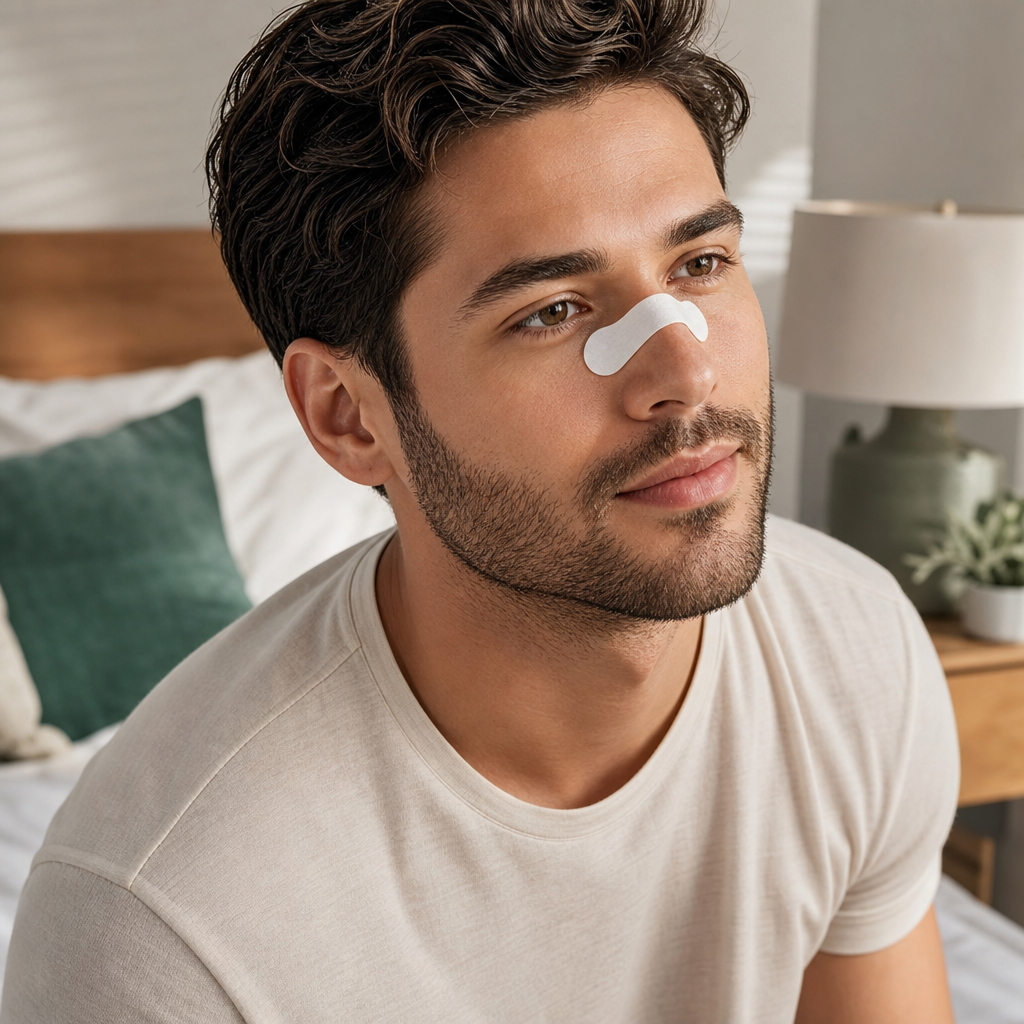
#1 Nonwoven Anti-Snoring Nasal Breathing Strips — $8.99
Best for: Nasal-airflow snoring support
- Physical nasal-expansion design supports improved nasal ventilation.
- Very lightweight 1 g nonwoven construction for unobtrusive wear.
- Multiple shapes, sizes, and colors support different fit and style preferences.
- Adhesive nasal strips may not suit users with sensitivity to face adhesives.
- No electronics, app tracking, or adjustable mechanical components.
Product Type: Anti-snoring nasal strip / nasal dilatorMaterial: Nonwoven fabricFunction: Physical snoring reduction; enhanced nasal ventilationWeight: 1 g
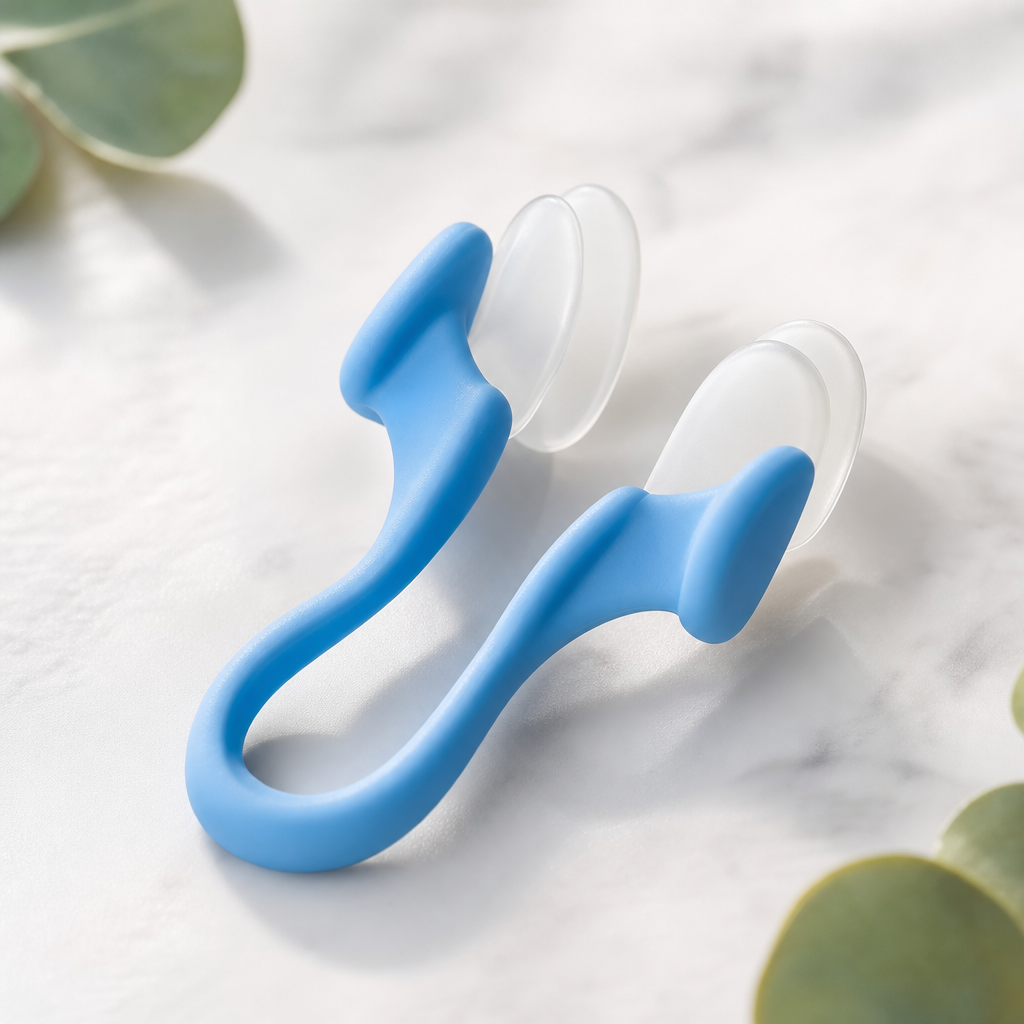
#2 Silicone Anti-Snore Nasal Clip Nasal Dilator — $8.99
Best for: Simple nasal snoring support
- Soft silicone construction in a compact nasal-clip format
- Physical anti-snoring design requires no charging, app, or adhesive
- Available in white, orange, blue, and multi-pack packaging options
- Nasal dilators target nasal airflow, not throat-related or medical snoring
- Small silicone sleep aids need regular cleaning and careful storage
Product Type: Anti-snore nasal clip / nasal dilatorMaterial: SiliconeFunction: Physical anti-snoring supportBrand: Jiansheng
Related Guides & Products
- How Do I Get Someone to Stop Snoring Calmly
- How to Prevent Someone From Snoring Tonight
- How to Stop Snoring at Night Home Remedies
- How to Stop Snoring During Pregnancy Safely
- How to Stop Someone From Snoring: Nasal Strip Review
- How Do I Snore? Silicone Nasal Clip Review
- Nonwoven Anti-Snoring Nasal Breathing Strips
- Silicone Anti-Snore Nasal Clip Nasal Dilator
Frequently Asked Questions
What is the best first step for snoring?
Start with a simple nasal airflow aid, especially if the snoring seems related to congestion or blocked nasal breathing. A nonwoven nasal strip is usually the easiest first option because it stays outside the nose and costs under $10.
Are nasal strips or nasal clips better?
Nasal strips are better for people who want the least invasive option. Silicone nasal clips are better for people who dislike adhesive or want an insertable nasal dilator. Comfort preference should decide the first purchase.
How do I get someone to stop snoring calmly?
Treat it as a shared sleep problem, not a personal criticism. Mention lost sleep, suggest a simple under-$10 option, and let the snorer choose between a nasal strip and an adhesive-free nasal clip.
Can these products stop all snoring?
No single simple aid solves every snoring pattern. These picks focus on nasal airflow support, so they make the most sense when snoring is tied to nasal restriction, stuffiness, or difficulty breathing through the nose.
What should I try tonight for snoring?
Try side sleeping, reduce nasal congestion, keep the room comfortable, and use a nasal strip or nasal dilator if available. The best quick fix is the one the snorer can tolerate for the whole night.
This article is for general information only and is not medical advice. Consult a licensed healthcare professional for any health concern.
Anti-Snoring Device Chart: Regulatory Status and What the Evidence Actually Shows
Anti-snoring products are sold as if they were one category, but they are not: some are unregulated comfort items, some are FDA-cleared over-the-counter devices, and some are prescription medical devices that a dentist has to fit. The published evidence differs just as sharply. This table separates the three questions people conflate — what it does, what it is legally, and what studies found — with the source for each claim.
| Device type | What it is meant to do | US regulatory status | What published research shows | When it is the wrong tool |
|---|---|---|---|---|
| External nasal strips (adhesive, across the bridge) | Hold the nostrils open from outside to reduce nasal resistance | Sold over the counter | A systematic review and meta-analysis found no significant difference in apnea-hypopnea index, apnea index, hypopnea index or snoring index versus control, and concluded nasal dilators cannot be recommended as monotherapy for sleep-disordered breathing. A Journal of Clinical Sleep Medicine study used a nasal strip specifically as an effective placebo in severe obstructive sleep apnea. | Any time it is being used instead of assessment for suspected sleep apnea |
| Internal nasal dilators (worn inside the nostrils) | Same goal, splinting the nasal valve from inside | At least one product (Mute) is FDA-cleared for over-the-counter use in the US | Same body of dilator evidence as above — clearance means the device may be legally sold, not that it resolves snoring | Same — not a sleep apnea treatment |
| Mandibular advancement device (MAD / oral appliance) | Holds the lower jaw forward to keep the airway open | Prescription: FDA treats intraoral devices for snoring and/or OSA as prescription devices unless a specific 510(k) has been cleared for over-the-counter distribution | Recently cleared examples (such as the Hushd Pro Z-Link, 2026) are indicated to reduce snoring and mild-to-moderate obstructive sleep apnea in adults, and are distributed through licensed dental sleep medicine professionals | Self-fitting a boil-and-bite copy without a dental assessment — jaw, bite and tooth problems are the common complications |
| Positive airway pressure (CPAP and variants) | Pneumatically splints the airway open all night | Prescription, after a diagnostic sleep study | The American Academy of Sleep Medicine’s systematic review, meta-analysis and GRADE assessment underpins PAP as the reference treatment for adult obstructive sleep apnea | Not a snoring gadget — it follows a diagnosis, it does not replace one |
| Chin straps, tongue-retaining devices, positional trainers, sprays | Various: keep the mouth closed, hold the tongue forward, discourage back-sleeping | Mixed — mostly sold over the counter | We have not found a systematic review of comparable quality for these categories, so we make no effectiveness claim either way | Whenever a marketing page cites “clinically proven” without naming the study — ask which one |
The line that matters more than any product choice: loud snoring with witnessed breathing pauses, gasping, morning headaches or daytime sleepiness is a reason to be assessed for obstructive sleep apnea. No over-the-counter product treats sleep apnea, and a device that quiets the noise while the apnea continues has removed the warning sign, not the problem. This chart is consumer information, not medical advice — diagnosis and treatment decisions belong with a clinician.
Sources: FDA, “Intraoral Devices for Snoring and/or Obstructive Sleep Apnea — Class II Special Controls Guidance” (prescription status); AASM news release on the Hushd Pro Z-Link 510(k) clearance (indication and distribution); “Clinical Effectiveness of Nasal Dilators in Sleep-Disordered Breathing: A Systematic Review and Meta-Analysis” (PMC) and “Nasal Dilator Strip is an Effective Placebo Intervention for Severe Obstructive Sleep Apnea” (Journal of Clinical Sleep Medicine); AASM systematic review and GRADE assessment of positive airway pressure. Checked August 2026. We do not test medical devices and we do not repeat effectiveness claims we cannot source.
More Buying Guides
- Best Cat Drinking Fountain Filter Replacements
- Best Cat Water Bowl Options for Cleaner Drinking
- Best Cordless Water Flosser: 3 Vetted Picks (2026)
- Best Dog Chew Toys for Everyday Gnawing
- Best Magnetic Phone Charger for Cleaner Charging
- Best Stainless Steel Slow Feeder Dog Bowl Picks
- Best Toothpick Dental Floss Picks for Travel
- Packing Cubes for Travel: A Focused Buyer’s Guide
- The Cleanest Cat Water Fountains: 2 Vetted Picks (2026)