TL;DR: For puppies and small breeds, the best small slow feeder dog bowl slows gulping without making food unreachable. Prioritize a shallow, accessible puzzle pattern, a stable base, and a material you can clean thoroughly. Stainless steel is the better pick for odor resistance and long-term durability; PP plastic is lighter and more affordable when you want a simple starter bowl.
A small slow feeder dog bowl should solve a very specific problem: your dog eats too fast, then coughs, gags, vomits, or swallows excess air. But for puppies, toy breeds, cats, and short-nosed dogs, the wrong bowl can create a new problem. If the maze is too deep, the channels are too narrow, or the bowl slides across the floor, mealtime becomes frustrating instead of safer.
The right slow feeder dog bowl is not simply the most complicated puzzle. It is the bowl that matches your dog’s muzzle size, food type, chewing habits, and cleaning routine. For a broader comparison across sizes and styles, start with our vetted slow feeder dog bowl roundup, then use this guide to narrow the choice for puppies and small breeds.
| Factor | What to look for | Best fit |
|---|---|---|
| Size | Small diameter, low enough for easy access | Puppies, toy breeds, cats |
| Maze depth | Raised obstacles that slow eating without trapping food | Short muzzles and small kibble |
| Material | Stainless steel for odor resistance; PP for lightweight value | Daily feeding |
| Grip | Anti-slip or anti-tip design | Dogs that push bowls while eating |
| Cleaning | Smooth channels and accessible corners | Wet food, oily kibble, mixed meals |
| Price | $10-$18 budget, $18-$30 mid-range, $30-$55 premium | Match spend to material and build |
1. Size and Capacity: Match the Bowl to a Small Mouth
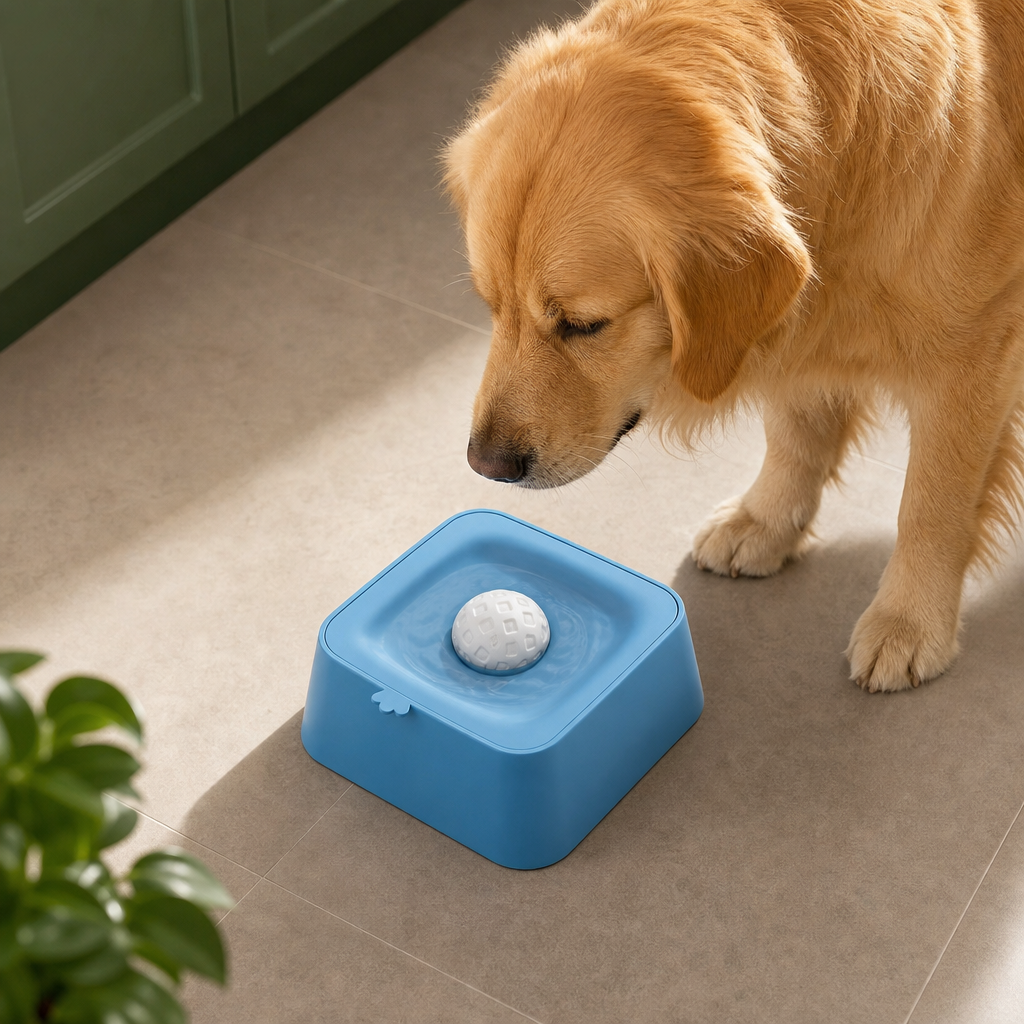
For a puppy or small breed, a slow eating dog bowl has to be physically reachable. Oversized feeders often look useful because they have more surface area, but they can force a small dog to stretch awkwardly or chase kibble around a wide maze. A compact bowl keeps the food close enough for a small muzzle while still interrupting the rapid bite-swallow-bite pattern.
An 18 cm format is a practical small size for cats, puppies, and small to medium dogs. The 18 cm stainless steel slow feeder bowl uses that compact footprint with a 150 g body, so it is sized for everyday small-pet meals rather than giant-breed portions. If your dog eats a measured puppy serving or a small-breed scoop, that size class usually makes more sense than a large dinner-plate-style dog slow feeder.
Judge size by your dog’s face, not just its weight. A narrow-muzzled small dog can handle more maze detail than a flat-faced breed. A puppy that is still learning to eat from a bowl needs an easier pattern and a lower rim. If your dog has to bite the ridges, paw aggressively, or walk around the bowl to reach food, the feeder is too difficult.
2. Maze Depth and Pattern: Slow the Meal, Don’t Block It
The maze is the heart of any bowl for dogs to slow eating. Raised ridges, paw shapes, bone shapes, and other obstacles spread kibble into smaller pockets so the dog has to work around them. That slows the pace and can reduce the gulping behavior that leads to choking, vomiting, or gas.
For small dogs, the best pattern is moderate. Deep puzzle feeders for dogs may produce the slowest dog feeder bowl experience, but that is not always the right goal. If the grooves are too deep, a puppy or short-nosed dog may not be able to reach food at the bottom. That can cause frustration, pawing, tipped bowls, or unfinished meals.
Look for a pattern that separates food without creating narrow traps. The 18 cm stainless model offers multiple pattern options, including bone, dog paw, bear paw, and fishbone designs. Those patterns are useful because they create feeding interruptions across the surface while keeping the bowl format familiar. For a first slow feeder, choose the simpler pattern over the most elaborate one. You can always increase difficulty later, but you should not start with a maze that makes dinner feel like a punishment.
3. Material: Stainless Steel vs. PP Plastic
Material matters because slow feeders have more corners, ridges, and contact points than a plain bowl. Food oils, saliva, and wet food can cling to grooves. Dogs that chew their bowls can also damage soft materials over time.
Stainless steel is the more durable and odor-resistant choice for many homes. A dog bowl to slow eating stainless steel design is especially appealing if you feed oily kibble, add toppers, or want a bowl that does not hold onto smells as easily as plastic. The 18 cm stainless steel option comes in 304 stainless steel and 201 stainless steel versions, with a stainless feeding surface and no electronics. For buyers specifically searching for a slow eating dog bowl stainless design, this is the stronger long-term direction.
PP plastic has its place. The Square PP Slow Feeder Dog & Cat Bowl is a lightweight 230 g bowl with a compact 19 × 19 × 7 cm boxed size, black or blue color options, and a square anti-spill shape. At $15.99, it works well as an affordable starter feeder for dogs and cats, especially if you want a simple dog feeding bowl slow solution without paying for stainless steel.
If your dog chews bowls, choose stainless steel. If your dog is gentle, eats dry food, and you want a low-cost slow feed bowl, PP plastic can be a reasonable buy. Avoid assuming every plastic bowl will be the same; harder, smoother PP is easier to live with than soft plastic that scratches quickly or holds odor.
4. Stability: Stop the Bowl From Becoming a Toy
One of the most common complaints with dog feeding bowls to slow eating is sliding. A dog that is already excited at mealtime will push against ridges with its nose and tongue. If the base is too light or slick, the bowl travels across tile, wood, or laminate floors. That is messy, noisy, and annoying for both the dog and the owner.
Look for an anti-slip or anti-tip design, especially for puppies that paw at food or dogs that eat with force. The 18 cm stainless slow feeder has an anti-slip bowl design and an anti-tip everyday bowl structure, which directly addresses the problem of pets pushing the bowl while eating. Its 150 g weight keeps it easy to move for washing, but the anti-tip design is the key spec for real-world use.
The Square PP bowl takes a different approach with a square anti-spill shape. A square footprint can be helpful because it resists rolling and gives the dog a broader edge to bump against. For light bowls, placement also matters. Set the bowl on a flat surface, away from wall corners where a dog can wedge it and chew the rim. If your floor is very slick, pair the feeder with a mat rather than buying an overly large bowl your small dog cannot use comfortably.
5. Cleaning: Choose Ridges You Can Actually Wash
A slow feeder bowl has to be cleaned more carefully than a regular bowl. The same ridges that slow eating can trap food film, especially with wet food, softened puppy kibble, broth, or fatty toppers. If you cannot reach the grooves with a sponge or brush, residue builds up and the bowl becomes unpleasant fast.
Stainless steel has an advantage here because its smooth surface resists lingering smells and oily buildup better than many plastics. It is a smart choice for owners who want a daily-use slow feeder for dog bowl routines and do not want to scrub aggressively after every meal. With any material, rinse soon after feeding so kibble dust and saliva do not dry into the channels.
For easy cleaning, inspect the pattern before buying. Rounded ridges are easier than sharp corners. Shallow channels are easier than deep wells. A compact small slow feeder dog bowl is also easier to clean in a normal sink than a large mat-style puzzle. If you feed wet food, prioritize stainless steel and a moderate maze. If you feed dry kibble only, PP plastic is easier to justify.
6. Food Type and Feeding Style: Kibble, Wet Food, and Mixed Meals
Dry kibble is the easiest food for a slow feeder. It rolls into the channels, separates naturally, and forces the dog to take smaller bites. For a dog eating bowl slow setup, small kibble works especially well because it fits around the ridges without blocking access.
Wet food behaves differently. It smears across ridges and can pack into corners, so a very intricate maze may slow the meal too much and make cleaning harder. For puppies eating softened food, choose a shallower pattern and wash promptly. Mixed meals with toppers, oils, or broth should be fed in a bowl with accessible channels rather than tight crevices.
For cats and small dogs sharing supplies, size and pattern become even more important. Both featured options are suitable for dogs and cats, and the stainless 18 cm bowl is also suitable for puppies and small to medium dogs. That flexibility is useful in multi-pet homes, but you should still choose based on the smallest or flattest-faced eater in the house.
7. No Electronics: Simple Is Usually Better for Small Feeders
Some owners look for automated feeding features, but a small slow feeder does not need power to work. The slowing action comes from the bowl’s physical puzzle design. No batteries, motors, apps, or timers are required.
Both bowls here are non-automatic, no-electronics feeders. That is a benefit for daily reliability. You fill the bowl, place it down, and wash it after the meal. For most puppies and small breeds, that simple routine is better than a powered feeder that may dispense food into a maze your dog cannot comfortably access.
If you need scheduled meals because you are away from home, an automatic feeder is a different category. If your main problem is gulping, coughing, vomiting, or gas after meals, a bowl slow feeder is the direct tool for the job.
Common Mistakes When Buying a Small Slow Feeder
Buying the most difficult maze first. The slowest dog feeder bowl is not automatically the best. Puppies and short-nosed breeds need access first, difficulty second. Start with a moderate pattern and watch how your dog eats.
Ignoring bowl movement. If the bowl slides, your dog may eat faster from frustration or start pawing the feeder around the room. Anti-slip, anti-tip, or square anti-spill designs matter more than decorative details.
Choosing plastic for a chewer. PP plastic is affordable and lightweight, but dogs that bite or scrape bowls can damage plastic faster. For chewers, stainless steel is the safer long-term buy.
Using deep grooves with wet food. Wet food and toppers cling to narrow channels. If your dog eats soft meals, choose a simpler pattern you can clean thoroughly.
Buying too large. Large dog slow feeder bowls can make small dogs stretch, chase, or give up. A compact feeder keeps the meal controlled and reachable.
Price Expectations: What You Get at Each Tier
Budget: $10-$18. Expect lightweight plastic or PP slow feeders, simple anti-spill shapes, and basic maze patterns. This tier is good for trying a slow feeder for the first time, feeding dry kibble, or buying a second bowl for travel. The Square PP Slow Feeder Dog & Cat Bowl at $15.99 fits this tier well: it is compact, lightweight, non-electronic, and designed for dogs and cats.
Mid-range: $18-$30. This is the sweet spot for many small-dog owners. You start seeing more durable materials, better stability, stainless steel feeding surfaces, and more polished everyday designs. The 18 cm stainless steel slow feeder at $20.99 is a strong example because it combines a compact small format, stainless construction, anti-slip and anti-tip design, and multiple pattern options.
Premium: $30-$55. Premium small slow feeders usually justify the higher price through heavier construction, specialty materials, more refined bases, or elevated designs. This tier can make sense if you want a decorative bowl station or a particularly heavy feeder, but most puppies and small breeds do not need to start here.
For most buyers, the decision is straightforward: choose PP plastic if you want an affordable starter bowl, and choose stainless steel if you want better odor resistance, easier cleaning, and durability for daily feeding. If you are buying one primary slow feeder bowl for a puppy or small breed, the mid-range stainless option is the better long-term value.
Bottom Line: Which Small Slow Feeder Should You Buy?
For most puppies and small breeds, the best small slow feeder dog bowl is compact, moderately challenging, stable, and easy to clean. A good feeder for dogs should slow gulping without blocking access to food or turning every meal into a struggle.
Choose the stainless 18 cm bowl if you want the more durable, easier-cleaning everyday pick, especially for oily food, wet add-ins, or a dog that tends to chew. Choose the Square PP bowl if you want a lower-cost slow feeder, a lightweight square shape, and a simple way to reduce fast eating for a dog or cat. Either way, prioritize fit and usability over the most aggressive puzzle design.
Related Guides & Products
- dog slow feeder bowls — Top Picks
- 18 cm Stainless Steel Slow Feeder Dog Bowl
- Square PP Slow Feeder Dog & Cat Bowl
Frequently Asked Questions
Are slow feeder bowls good for puppies?
Yes. A small slow feeder can help puppies slow gulping, but the maze should be shallow enough for easy access and sized for a small muzzle.
Is stainless steel better than plastic?
Stainless steel is usually better for odor resistance, durability, and cleaning. PP plastic is lighter and more affordable for gentle eaters.
Can short-nosed dogs use slow feeders?
Yes, but choose a moderate, shallow pattern. Deep maze bowls can make food hard to reach for short-nosed breeds.
Do slow feeders help with vomiting?
They can help dogs that vomit after gulping meals by forcing smaller bites and a slower eating pace.
What size is best for small dogs?
A compact bowl around the small 18 cm class works well for many puppies, cats, and small breeds because food stays reachable.
How much should I spend?
Expect $10-$18 for budget plastic, $18-$30 for strong everyday options, and $30-$55 for premium designs.