TL;DR: Use one shoe packing cube for footwear, one garment packing cube for outfits, a small cube for underwear, and a wipeable pouch or cube for toiletries. Pack by category, keep dirty soles isolated, put leak-prone items upright, and reset the cubes after every trip so your luggage stays cleaner and easier to unpack.
Tools and supplies
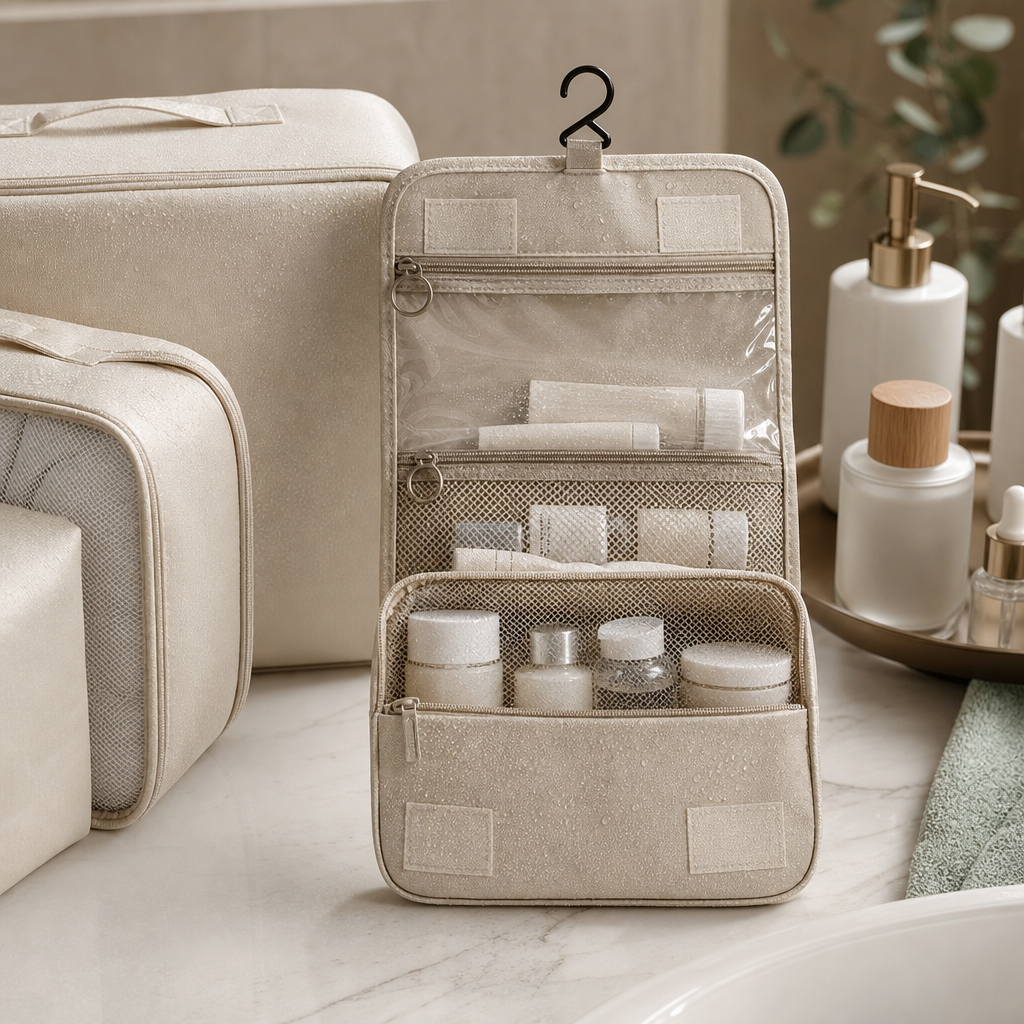
- One shoe packing cube or dedicated shoe bag
- One medium or large garment packing cube
- One small underwear cube
- One toiletry cube or pouch
- Thin laundry bag for worn clothing
- Small zip bags for leak-prone liquids
- Microfiber cloth or disinfecting wipe for shoe soles
- Removable labels, masking tape, or color-coded tags
Step 1: Assign each cube one job
Start by giving every cube a fixed role before anything goes into the suitcase. One cube should handle shoes, one should handle folded or rolled garments, one should handle underwear and socks, and one should handle toiletries or sanitary items. This solves the biggest packing-cube problem: people buy good packing cubes, then use them like random bags. The result is still cluttered luggage, just divided into smaller cluttered sections.
Use the shoe packing cube only for footwear. Do not mix belts, chargers, underwear, or toiletries into the same space as soles. If you need to pack one pair of dress shoes and one pair of sandals, put the cleaner, flatter pair heel-to-toe against the bulkier pair and keep the soles facing each other or facing the cube wall. That keeps dirt away from soft clothing and makes the cube easier to place along the suitcase edge.
For clothes, use a garment packing cube by outfit type or by day. For example, put tops and pants for the first two days in one cube and sleepwear or workout clothing in another. If you use packing cubes for travel often, this habit cuts down on rummaging because you can pull out one cube instead of disturbing the whole suitcase.
Step 2: Clean and pre-pack shoes first
Before shoes enter the cube, knock off loose grit and wipe the soles. This takes less than a minute and prevents sand, sidewalk grime, and dust from spreading into luggage. If the shoes are damp, let them air out before packing; a closed shoe cube is useful for separation, but it should not become a moisture trap.
Pack shoes with the toe of one shoe near the heel of the other. This nesting shape wastes less space than putting both toes in the same direction. For sneakers, stuff socks inside the shoes to preserve the toe box and recover space that would otherwise be unused. For flats or sandals, stack them sole-to-sole and slide them into the shoe cube as a thin bundle.
Place the shoe cube at the wheel end of rolling luggage or along the hinge side of a suitcase. Shoes are dense, and putting them near the base helps the bag stand more predictably. In a backpack or soft duffel, put the shoe cube against the back panel or bottom panel so it does not crush lighter clothing.
Step 3: Roll casual garments and fold structured pieces
Use rolling for T-shirts, leggings, casual dresses, gym clothes, and soft knits. Rolling makes it easier to see each item from the top of the cube and reduces the chance that one shirt will drag three more out with it. Lay each item flat, fold sleeves inward, and roll from the heavier end toward the lighter end. Put the rolls in rows, not piles.
Use flat folding for button-down shirts, trousers, blazers, linen pieces, and anything with a collar or crease you care about. Place the most structured item at the bottom of the garment packing cube, then add softer pieces on top. If the cube has enough depth, alternate collar directions so one side does not become bulky.
If you are comparing standard packing cubes with compression packing cubes, use compression for flexible clothing rather than shoes or toiletries. Packing cubes that compress work best when the contents can flatten evenly. Bulky footwear, rigid bottles, and overstuffed toiletry kits resist compression and can strain seams or zippers. For more detail on when compression makes sense, use our guide to the best compression packing cubes before deciding which cubes should do the squeezing.
Step 4: Keep underwear private, dry, and easy to reach
Use a small cube for underwear, socks, bras, undershirts, and sleep basics. This is the cube you may need in a hotel room, shared rental, gym changing area, or airport delay, so it should be easy to remove without exposing the rest of your suitcase. Put it near the top layer of luggage or in the side with other soft goods.
Group underwear by type. Stack underwear in one row, socks in another, and bras or delicate items along the side. For bras, nest the cups instead of crushing them flat. Put rolled socks inside the band area only if that does not distort the shape. For delicate fabrics, use a small inner pouch or a soft cloth bag inside the cube.
On the return trip, do not let clean underwear and worn socks share the same cube. Move worn items into a laundry bag and keep the underwear cube for clean or barely used pieces only. This one habit makes unpacking faster and keeps odors from spreading through the suitcase.
Step 5: Build a toiletry cube that can handle leaks
Pack toiletries as if every liquid might open. Tighten caps, press out extra air from flexible bottles, and put leak-prone products in small zip bags before placing them in the toiletry cube. Keep liquids upright when possible. Put cotton pads, razors with covers, solid deodorant, toothbrushes, and sanitary items in separate zones so one spill does not contaminate everything.
Do not place a toiletry cube directly against folded clothing unless the bottles are sealed inside an inner bag. If your suitcase opens flat, put toiletries on the side with straps or a divider. In a carry-on, place the toiletry cube where it can be removed quickly if needed. For a full layout strategy, our carry-on packing cube guide shows how to position cubes in smaller luggage without burying essentials.
After arrival, take the toiletry cube out and set it on a dry counter or shelf. Avoid leaving fabric cubes on wet bathroom surfaces. If the cube gets damp, empty it and let it dry fully before repacking.
Step 6: Load the suitcase by weight and access
Once the cubes are packed, load the suitcase in a deliberate order. Put the shoe packing cube in first, near the wheels or the heaviest edge. Place the garment cube next, using it as the flat central layer. Add underwear and toiletries last if you will need them soon after arrival. If the suitcase has two clamshell halves, put shoes and toiletries on one side and clothing on the other.
This is where luggage packing cubes earn their keep: they create blocks that can be moved, stacked, and removed without collapsing the whole bag. If you call them package cubes, luggage cubes for packing, or simply packing cubes in luggage, the practical goal is the same—fewer loose items and less wasted space.
Do not force every cube to be completely full. A slightly flexible cube is easier to fit around suitcase corners and handle rails. Overfilled cubes create hard bricks that make the luggage harder to close and can put extra stress on zippers.
Step 7: Use color, labels, and a dirty-item system
Color and labels matter most when more than one person uses the same suitcase or when you are packing for children. Assign one color to each traveler, or assign one color to each category: shoes, garments, underwear, toiletries, and laundry. If the cubes are all the same color, use removable tape on the handle or zipper pull.
Make the dirty-item system visible before the trip starts. A laundry bag should live beside the garment cube, not loose in a random pocket. On day one, begin moving worn clothes into the laundry bag. Keep the shoe cube closed when shoes are not being worn, especially in hotel rooms where the open suitcase becomes a temporary dresser.
For longer trips, reset the cubes every few days. Move clean outfits forward, compress the laundry bag gently, and wipe the inside of the shoe cube if grit has collected. This keeps the system from breaking down halfway through the trip.
Step 8: Maintain cubes after each trip
Unpack the shoe packing cube outside the clean laundry area. Shake out grit over a trash can, wipe the interior if the soles were dirty, and let the cube air out before storage. If the cube has absorbed odor, leave it open in a dry, ventilated spot. Do not store damp cubes inside closed luggage.
Empty garment and underwear cubes completely. Turn them inside out if the construction allows it, shake out lint, and check the seams. Wipe toiletry cubes with a damp cloth if any residue is present. For fabric cubes, spot-clean small marks and let them dry flat. Avoid aggressive scrubbing around zipper stitching because that area carries the most strain.
Store cubes folded or nested together. Keep the shoe cube separate from underwear and toiletry storage if it has been used for outdoor footwear. If you are building a new set, our packing cube set buying checklist explains the practical features that affect long-term organization, including size range, fabric, zipper access, and use cases.
Frequency guidance
Before every trip, inspect the shoe cube for grit, odor, zipper resistance, and seam stress. Wipe shoe soles before packing and confirm that the cube closes without forcing the zipper. Refill toiletry bottles, tighten caps, and place any liquid that has leaked before into an inner zip bag.
During trips of three nights or more, reorganize once midway through the stay. Move dirty clothes to the laundry bag, keep clean underwear separate, and check that toiletries are still upright and sealed. On beach, hiking, winter, or rainy trips, check the shoe cube daily because sand, mud, and moisture build up faster.
After every trip, empty all cubes the same day you unpack. Air them out before storing them. Clean the shoe cube whenever soles were dirty, and wipe the toiletry cube whenever a bottle cap, toothbrush cover, or cosmetic container leaves residue. Every few trips, compare your cube layout with how you actually traveled. If one cube stayed overstuffed and another stayed half empty, change the size assignments before the next trip.
When to replace parts or retire a cube
Replace a zipper pull when it becomes hard to grip, frays, or detaches. A short cord loop can restore usability if the zipper slider still works smoothly. If the slider separates the teeth, catches repeatedly, or will not stay closed, retire that cube from travel use. A cube that opens inside luggage defeats the purpose of compartmental packing.
Retire a shoe cube when the interior no longer cleans well, the seams near the sole contact points are thinning, or odor remains after airing out. Replace a toiletry cube if liquid residue has soaked into the fabric or if the lining, seams, or corners show staining that transfers to other items. Replace underwear or garment cubes when mesh panels tear, seams split, or the cube no longer holds its shape under normal packing.
Do not wait for a cube to fail during a trip. If a zipper feels strained at home, it will feel worse when the suitcase is full. Move that cube to home storage duty and use a stronger cube for travel.
Related
If you want one coordinated starter set for garments, underwear, sanitary items, cosmetics, bras, clothing, and toiletries, the Foldable Polyester Travel Packing Cube Set is a practical option at $33.99. Its polyester twill-style fabric, cube-style format, foldable design, and 7-piece through 11-piece configurations make it useful for separating the main categories in this guide. The beige, gray, pink, black, navy, and lake-blue color options also make category coding simple.
For broader comparisons, see our researched roundup of the best packing cubes. The method above is brand-agnostic, not a Peak Design or Eagle Creek model-specific routine; it works with top rated packing cubes, best rated packing cubes, compression packing cubes, and simple non-compression sets as long as each cube has a clear job.
Related Guides & Products
- Best Packing Cubes — Top Picks
- Best Compression Packing Cubes Buyer’s Guide
- How to Use Packing Cubes for Carry On Luggage
- What to Look for in a Packing Cube Set
- Cute Packing Cubes for Easier, Tidier Travel
- Foldable Polyester Travel Packing Cube Set
Frequently Asked Questions
What goes in a shoe packing cube?
Pack shoes only, ideally with soles facing each other or the cube wall. Socks can go inside clean shoes to save space, but keep underwear and toiletries separate.
Should shoes go at the top or bottom?
Put the shoe cube near the wheel end or bottom of the bag. Shoes are dense, and that placement helps stabilize rolling luggage.
Are compression cubes good for shoes?
Usually no. Compression works best on flexible clothing. Shoes are rigid, so forcing compression can strain zippers, seams, and shoe structure.
How do I stop toiletries from leaking?
Tighten caps, keep bottles upright when possible, and place leak-prone liquids inside small zip bags before packing them in the toiletry cube.
How often should I clean packing cubes?
Air them out after every trip. Wipe the shoe cube whenever soles were dirty, and clean the toiletry cube whenever residue or moisture appears.
When should I replace a packing cube?
Replace it when zippers separate, seams split, mesh tears, odors remain, or stains transfer to other items in your luggage.