TL;DR: A cute flower water bowl for cats is worth buying only if it also solves daily mess problems: tipping, splashing, odors, hard cleaning, and low capacity. For most homes, a stainless steel cat water bowl with a floating drinking plate is more practical than a shallow decorative bowl. Expect the best value around $20 to $45.
A flower water bowl for cats can look charming next to a feeding station, but the cute shape should not be the deciding factor. The better question is whether the bowl makes your cat more willing to drink while keeping the floor dry, the water fresh, and the cleaning routine simple. Cats that avoid water, paw at the bowl, flip shallow dishes, or share water in a multi-cat home need more than a pretty rim.
After comparing cat water bowl designs across decorative, ceramic, plastic, fountain, and metal options, the most reliable designs tend to prioritize weight, cleanable materials, controlled water access, and enough depth or capacity to reduce constant refills. If you are comparing this category broadly, start with our vetted guide to the best cat water bowls, then use the factors below to decide whether a flower-style bowl is practical enough for your home.
Quick-reference table
| Factor | What to look for | Best choice for |
|---|---|---|
| Material | Stainless steel, glazed ceramic, or other non-porous surfaces | Odor control and easier cleaning |
| Spill control | Floating plate, heavier base, or guarded opening | Cats that paw, splash, or tip bowls |
| Capacity | About 1 L or more for most single-cat homes; larger for multi-pet homes | Less frequent refilling |
| Drinking surface | Wide enough for whisker comfort, not so open that water sloshes | Picky drinkers |
| Cleaning | Simple parts, smooth basin, minimal crevices | Daily maintenance |
| Style | Decorative top that does not interfere with use | Owners who want cute without mess |
| Price | $20 to $45 for the strongest value range | Most households |
Material: choose cleanable over cute
The first thing to judge is not the flower shape; it is the surface your cat drinks from. A stainless steel cat water bowl is usually the safest practical bet for odor control because the basin is non-porous, smooth, and less likely to hold smells than low-cost plastic. Plastic flower bowls can be inexpensive and colorful, but they are also the most likely to develop scratches, cloudy residue, and trapped odors over time. That matters if your cat already avoids drinking, because stale-smelling water can make the problem worse.
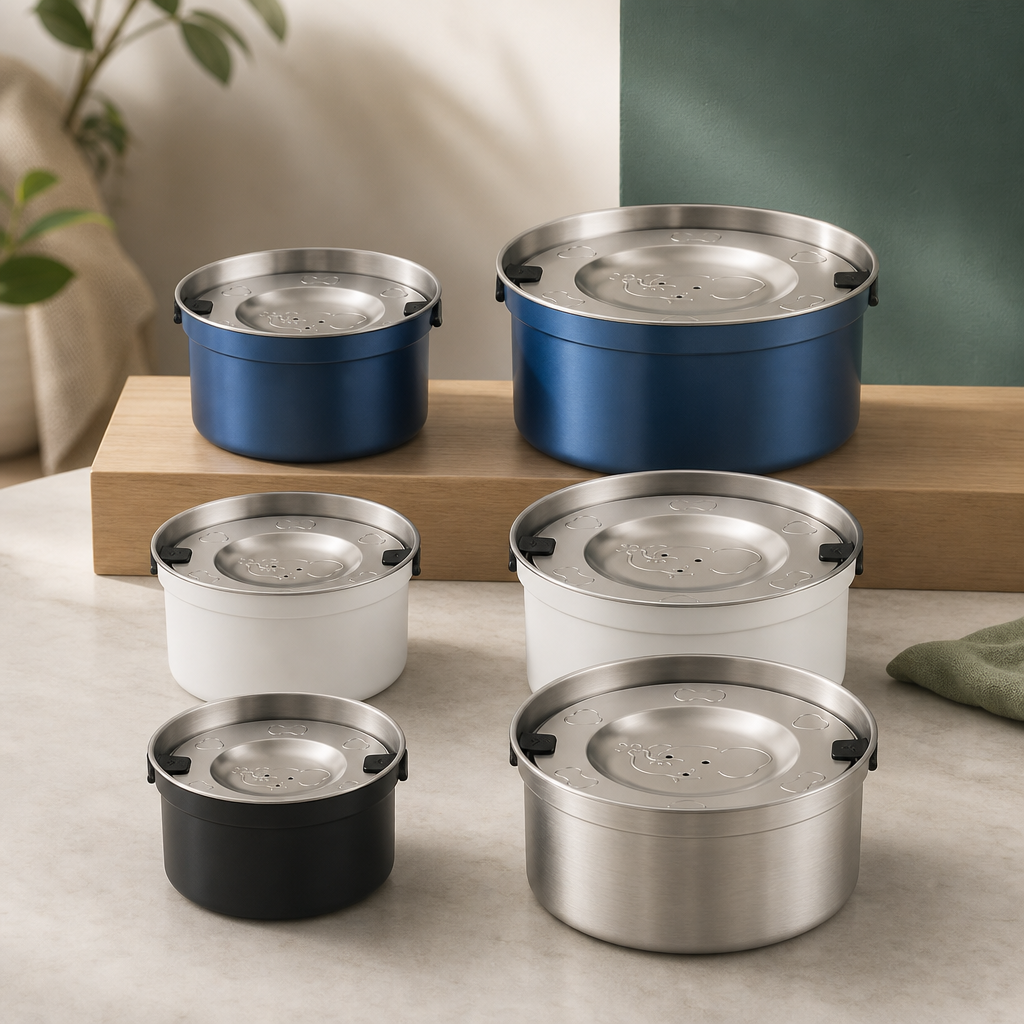
Ceramic can be a good alternative when it is fully glazed and heavy, but it can chip if dropped. A cat water bowl stainless steel design is more forgiving in busy kitchens, feeding corners, and multi-pet spaces. Our midrange pick, the Stainless Steel Floating Cat & Dog Water Bowl, uses a stainless steel basin and comes in natural stainless, blue, white, and black finishes. It also has decorative top motif options, so you can still get a playful look without relying on a flimsy plastic flower dish.
Spill control: look for a floating plate or guarded opening
Many flower-shaped bowls fail because the top is decorative but the water surface is too exposed. If the bowl is shallow and open, a cat can hook a paw under the rim, splash the surface, or shove the whole bowl across the floor. For spill-prone cats, judge the design by how much open water is available at once and how stable the bowl feels when bumped.
A floating drinking plate is one of the more useful non-electric solutions. It rises with the water level and gives your cat access to a controlled drinking area rather than a full open basin. That reduces sloshing when you carry the bowl, limits splash from enthusiastic drinkers, and helps keep the surface calmer. The Stainless Steel Floating Cat & Dog Water Bowl uses this type of floating plate, making it a better fit for cats that knock over standard bowls or for homes where dogs share the same water station.
If spills are your main frustration, also compare other metal cat water bowl alternatives for spill-prone pets. Weight and geometry matter as much as material. A light bowl with a cute flower rim can still slide; a more substantial bowl with controlled access is harder to defeat.
Capacity: match the bowl to your household, not the photo
A tiny flower bowl may look adorable in a product photo, but it can be annoying in daily use. Low capacity means more refills, faster warming, and a greater chance that a cat finds the bowl empty. For one cat, a small bowl may work if you refill often. For multiple cats, larger cats, warm rooms, or homes with both cats and dogs, capacity becomes a core buying factor.
The practical range for most cat households starts around 1 liter. The Stainless Steel Floating Cat & Dog Water Bowl comes in 1.2 L and 3.2 L capacity options, which covers both compact feeding areas and higher-demand households. The 1.2 L size makes sense for a single cat or a tight apartment setup. The 3.2 L size is the stronger choice for multi-cat homes, cats and dogs sharing water, or owners who dislike topping off a bowl several times a day.
When comparing flower water bowl for cats options, avoid judging capacity by diameter alone. A wide but shallow bowl may splash more and hold less usable water than a deeper controlled-access bowl. The best design should keep water available without turning every refill into a spill risk.
Drinking comfort: make it easy for hesitant cats
One major buyer pain point is simple: the cat does not like drinking water. Bowl design can help, but only if it respects how cats drink. Many cats prefer a stable water surface, a clean smell, and a rim that does not crowd their whiskers. A decorative flower center can be fun, but it should not block the cat’s face or force an awkward drinking angle.
For hesitant drinkers, prioritize a quiet, non-electric bowl if your cat dislikes motor noise, or a fountain if your cat strongly prefers moving water. A floating plate bowl sits between those approaches: it is non-electric and simple, but it still controls the drinking surface in a way that can feel cleaner and calmer than a wide open dish. The non-electric simplicity also means no pump to maintain, no cord placement issue, and no filter schedule to manage.
Do not confuse a flower-shaped bowl with flower water for cats. Cats need plain, fresh water. The flower idea should describe the design, not an infused drink. If the goal is hydration, the better upgrades are cleaner material, better placement, and a bowl your cat can access comfortably every day.
Cleaning: fewer crevices beat fancier shapes
Cleaning is where many cute bowls lose their appeal. Pet water bowls collect saliva film, mineral spots, and dust. Plastic can scratch and trap grime. Complex flower petals, tight seams, and decorative grooves can make buildup harder to remove. If you see a design with many little corners, assume it will take more effort to keep clean.
A smooth stainless basin is easier to wipe than textured plastic, and a removable floating plate is easier to handle than a fully enclosed mechanism. Water spots can show on stainless after washing, especially if your home has mineral-heavy water, but they are a cosmetic issue rather than the same concern as odor trapped in scratched plastic. Drying the basin after washing reduces visible spotting.
Refill technique also matters. Pouring too fast into a guarded bowl or floating-plate design can push water onto the top plate before it settles. For a less messy routine, use the setup tips in our guide to filling a cat water bowl with less mess. A good bowl plus a slower refill habit usually solves more spills than either change alone.
Weight and stability: prevent flips before they happen
A flower water bowl for cats should stay put when a curious paw tests it. Stability comes from weight, footprint, and how the water is contained. Very lightweight plastic bowls are easy to drag, tip, or flip. Extra-shallow bowls are also more likely to splash when a cat bumps the rim.
The Stainless Steel Floating Cat & Dog Water Bowl weighs 760 g, giving it a more substantial feel than many thin plastic bowls. That weight is especially useful for cats that bat at water or households where a dog may nose the bowl. If your current bowl ends up several feet from where you placed it, a heavier metal cat water bowl is a practical upgrade.
Placement matters, too. Put the bowl on a level surface away from high-traffic corners where feet, vacuum cleaners, or playful pets can hit it. A silicone mat can add grip and catch the occasional drip, but it should not be used to compensate for a flimsy bowl. Start with a stable bowl first.
Design: cute motifs should not compromise function
There is nothing wrong with wanting a cute cat water bowl. The best decorative designs simply keep the decoration away from the parts that control drinking, cleaning, and stability. A flower rim, animal motif, or colorful finish is a bonus only after the bowl has the right material, capacity, and spill control.
This is where decorative top designs can be useful. The Stainless Steel Floating Cat & Dog Water Bowl comes with elephant, bone, and dolphin top motif options, so it feels less clinical than a plain utility bowl while keeping the functional stainless basin and floating drinking plate. If you specifically want a floral look, apply the same rule: the flower detail should not create hard-to-clean pockets, narrow the drinking area too much, or make the bowl top-heavy.
Color is also secondary. White finishes can make dust and hair easier to see. Natural stainless hides some staining concerns but may show water spots. Black and blue can coordinate nicely with modern feeding stations. None of those choices matter as much as whether the cat actually drinks and the bowl stays upright.
Common mistakes when buying a flower water bowl for cats
The biggest mistake is buying for the photo instead of the daily routine. A bowl can look perfect online and still be too shallow, too light, too small, or too fussy to clean. For cats that already avoid water, an odor-holding plastic bowl is a poor tradeoff even if the flower design is cute.
Another mistake is choosing a tiny bowl for a multi-cat home. Shared water disappears faster, and dominant cats may block access. A larger capacity bowl, or multiple bowls in separate locations, is usually better than one decorative dish in the kitchen. If you have cats and dogs, choose a cat and dog friendly design rather than a cat-only novelty bowl that cannot handle the extra demand.
Owners also underestimate refill mess. A no-spill style still needs a steady pour and an appropriate fill level. Overfilling a shallow decorative bowl, then carrying it across the room, almost guarantees sloshing. Finally, do not assume an electric fountain is automatically better. Fountains can encourage some cats to drink, but they add pump cleaning, cord placement, and filter costs. A non-electric floating bowl is often the simpler fix for spills and odors.
Price expectations: what to spend
Budget flower bowls usually run $8 to $18. Expect lightweight plastic, small capacities, simple shapes, and more risk of odor or scratching over time. This tier is fine for a temporary bowl, travel backup, or a cat that never paws at water, but it is not the best answer for tipping, splashing, or plastic smell concerns.
Midrange bowls cost about $20 to $45 and offer the best value for most homes. This is where you start seeing stainless steel, heavier construction, larger capacities, and non-electric spill-control features. At $32.99, the Stainless Steel Floating Cat & Dog Water Bowl sits squarely in this practical midrange. Its stainless steel basin, floating drinking plate, 1.2 L and 3.2 L options, 760 g weight, and multiple finish choices make it a strong pick when you want a cute-looking cat water bowl that still addresses real mess problems.
Premium options generally run $50 to $100 or more. These are often ceramic fountains, stainless fountains, or higher-design feeding stations. They can be worthwhile if your cat strongly prefers moving water or if the bowl is part of a coordinated furniture-style setup. Just remember that premium does not always mean lower maintenance. Pumps, filters, and multi-part reservoirs require more cleaning than a simple non-electric stainless steel cat water bowl.
For most buyers, the right target is clear: spend enough to get stainless steel, stability, and spill control, but do not overpay for decoration alone. A flower water bowl for cats should make your home cleaner and your cat’s water more appealing. If it only looks cute, keep shopping.
Related Guides & Products
- cat water bowls — Top Picks
- Metal Cat Water Bowl Alternatives for Spills
- Filling Cat Water Bowl: Less-Mess Setup Guide
- Stainless Steel Floating Cat & Dog Water Bowl
Frequently Asked Questions
Are flower water bowls good for cats?
They can be, if the design is stable, easy to clean, and large enough. Avoid shallow, lightweight bowls that prioritize looks over spill control.
Is stainless steel better than plastic?
Yes for most homes. Stainless steel is non-porous, resists odors better, and is easier to wipe clean than scratched plastic.
What size cat water bowl should I buy?
Around 1 L works for many single-cat homes. Multi-cat homes or cat-and-dog households benefit from larger capacities, such as 3 L or more.
Do floating plates reduce spills?
A floating plate can reduce sloshing and limit the open water surface, which helps with cats that splash, paw, or bump the bowl.
How much should I spend?
Budget bowls run $8 to $18, better midrange bowls run $20 to $45, and premium fountains or designer bowls often cost $50 to $100 or more.
Can cats drink flower water?
Cats should drink plain, fresh water. In this guide, flower refers to the bowl style, not floral-infused water.