TL;DR: A good maze dog bowl should slow eating without turning dinner into a wrestling match. Prioritize safe groove depth, the right diameter for your dog’s muzzle, a stable base, easy-clean materials, and a pattern that matches kibble size. Stainless steel is usually better for odor resistance and durability; PP plastic can be lighter and more affordable for gentle eaters.
A maze dog bowl is a simple tool for a common problem: dogs that inhale food, cough, gag, vomit, or get gassy after meals. The ridges, channels, and raised shapes force a dog to work around the bowl instead of taking huge mouthfuls at once. The best slow feeder dog bowl is not automatically the most complicated one, though. If the maze is too deep, a puppy, small dog, or short-nosed breed may struggle to reach food. If the base slides, the dog pushes the bowl across the kitchen. If the grooves trap oil, you end up with residue after every meal.
We evaluate puzzle feeders for dogs by comparing the things that affect daily use: material, maze depth, stability, size, cleanability, and price. If you are comparing specific models, start with our broader best dog slow feeder bowls roundup, then use this guide to decide what actually fits your dog’s eating style.
Quick-reference table: what matters in a maze dog bowl
| Factor | What to look for | Why it matters |
|---|---|---|
| Maze difficulty | Moderate ridges, reachable channels, no overly narrow food traps | Slows fast eating without frustrating small dogs or short-nosed dogs |
| Size and access | Bowl diameter and groove spacing that match your dog’s muzzle | Prevents the “can’t reach the kibble” problem |
| Material | Stainless steel for odor resistance and durability; PP plastic for lightweight value | Affects smell, chew resistance, cleaning, and long-term wear |
| Stability | Anti-slip or anti-tip design; enough weight for your dog’s feeding style | Keeps the bowl from skating across the floor |
| Cleaning | Rounded grooves, accessible corners, simple maze shapes | Reduces stuck oil, crumbs, and wet-food residue |
| Food compatibility | Channels that work with your kibble size or occasional wet toppers | Some deep mazes work poorly with large kibble or sticky food |
| Price | $8-$18 budget, $19-$35 mid-range, $36-$80 premium | Helps you avoid overpaying for features your dog does not need |
1. Maze difficulty: slow eating, don’t block eating
The first job of a bowl for dogs to slow eating is to interrupt gulping. Raised ridges, paw shapes, fishbone shapes, and square channels make the dog pick up smaller bites. That helps with the pain points many owners notice: coughing during meals, vomiting after eating too quickly, and a bloated-looking belly from swallowing air.
The mistake is choosing the slowest dog feeder bowl just because it looks challenging. A very deep maze can be wrong for puppies, toy breeds, senior dogs, and brachycephalic dogs with short muzzles. For those dogs, a shallow or medium puzzle is usually smarter than a dramatic spiral or narrow-grid design. You want slower eating, not a dog that gives up or paws aggressively at dinner.
The 18 cm stainless steel slow feeder bowl is a good example of a practical small-format maze. Its bone, dog paw, bear paw, and fishbone pattern options create obstacles on the feeding surface, but the 18 cm size keeps the eating area compact for cats, puppies, and small to medium dogs. It is not powered or automated; the slow-feed effect comes from the bowl shape itself.
2. Size and muzzle access: match the bowl to the dog
A slow eating dog bowl should fit both the meal size and the dog’s face. Diameter matters, but so does the spacing between raised sections. A big dog with a broad muzzle may get annoyed by a tiny bowl. A small dog may struggle in a feeder with tall, tight walls. For short-nosed breeds, the best dog eating bowl slow design has lower barriers and open channels so the dog can reach food with the tongue instead of grinding the nose into plastic or steel.
For cats, puppies, and small to medium dogs, the 18 cm stainless option is a sensible scale. At 150 g, it is light enough to move and wash easily, but its anti-slip and anti-tip everyday bowl design directly addresses the “bowl sliding while the pet eats” problem. If your dog is larger or extremely forceful, look for a wider, heavier slow feeder for dog bowl use; a compact bowl can work for portion control, but it may not be stable enough for a pushy eater.
If your dog is very small, compare the proportions in our small slow feeder dog bowl buyer’s guide before choosing a deep puzzle. Small dogs need friction and access more than maximum maze complexity.
3. Material: stainless steel vs. PP plastic
Material is one of the clearest differences among dog feeding bowls to slow eating. Stainless steel is usually the safer long-term pick for owners worried about plastic odor, staining, and chewing. It resists lingering smells better than most plastic, is less likely to hold greasy residue when cleaned promptly, and stands up better to dogs that nibble or mouth the rim after meals. For buyers searching for a dog bowl to slow eating stainless steel option, the key is to look for a stainless feeding surface and a pattern that is not so intricate that cleaning becomes a chore.
The 18 cm stainless steel slow feeder comes in 304 stainless steel and 201 stainless steel options. For everyday pet feeding, 304 stainless steel is generally the more desirable choice because it is widely used for food-contact items and is known for better corrosion resistance. The bowl’s stainless feeding surface and no-electronics design also keep it straightforward: no batteries, no motors, and no automated parts to clean around.
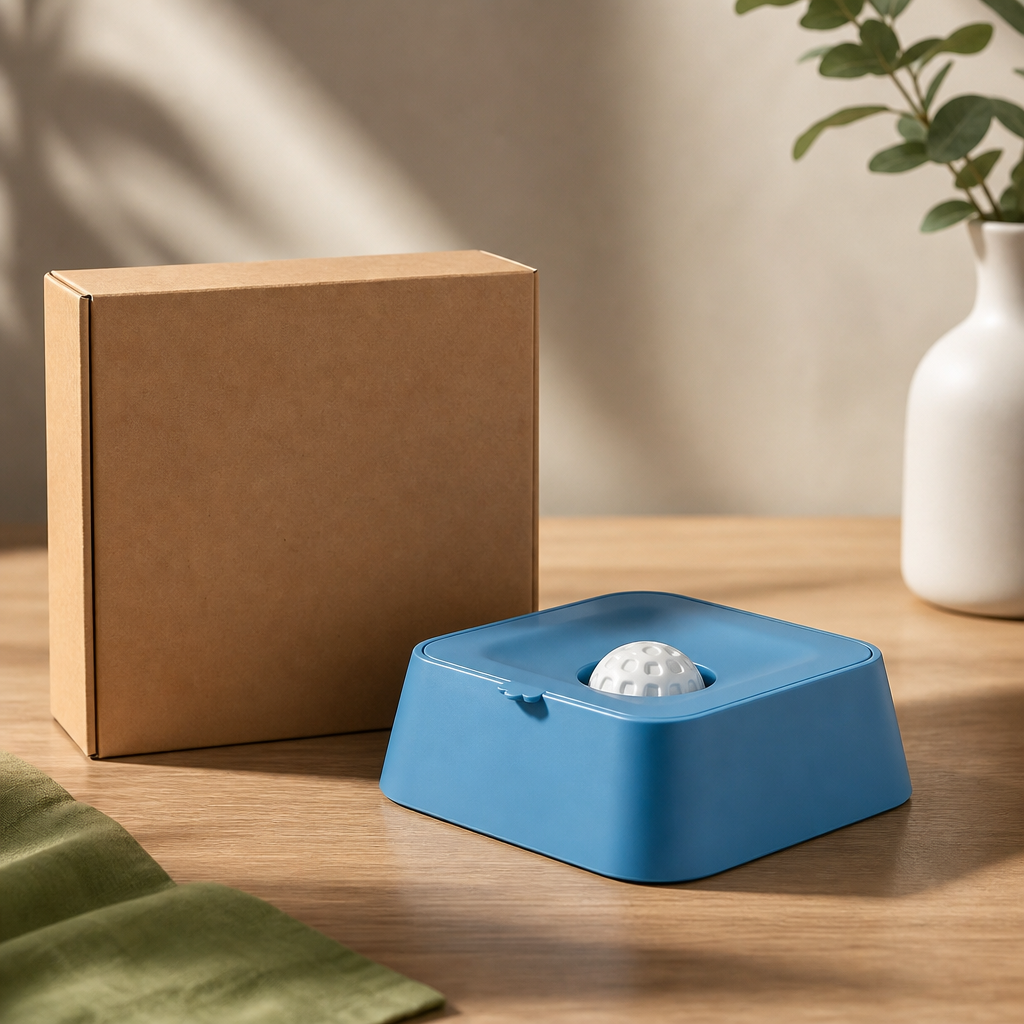
PP plastic has a different advantage: it is lightweight and affordable. The Square PP Slow Feeder Dog & Cat Bowl uses a PP plastic build, weighs 230 g, and has a square anti-spill shape. At $15.99, it is a strong value for gentle eaters, cats, and dogs that need a simple slow feed bowl without the cost of stainless steel. If your dog chews bowls or leaves tooth marks on plastic toys, stainless steel is the better call.
4. Stability: stop the bowl from sliding across the floor
A dog slow feeder fails quickly if your dog spends the whole meal pushing it into the wall. Sliding can make fast eaters more frantic, scratch flooring, and turn a calm feeding routine into a mess. Stability comes from three things: base grip, shape, and weight. Anti-slip designs help on tile, wood, and laminate. Anti-tip shapes are helpful for dogs that hook a paw over the rim. Wider square bowls can also reduce spills because there is more footprint on the floor.
The stainless 18 cm bowl directly addresses this with anti-slip and anti-tip features. That matters because the bowl itself weighs 150 g, so the base design has to do some of the work. The Square PP bowl is heavier at 230 g and uses an anti-spill square shape, which gives it a broader stance than many round plastic bowls. Neither model uses electronics, so both are simple feeders for dogs that rely on physical design rather than moving parts.
For very strong medium dogs or large breeds, expect to look at heavier bowls, rubberized bases, or raised feeding stations. A lightweight bowl can still be a useful slow feeder, but it should not be the only defense against a determined dog that eats like a bulldozer.
5. Cleaning: avoid deep grease traps and sharp corners
Cleaning is where many maze bowls disappoint. The same ridges that slow eating can trap kibble dust, saliva, wet food, and oily residue. A bowl slow feeder with deep, narrow slots may look effective online, but if you dread washing it, it will not stay in your routine. Look for rounded channels, open patterns, and materials that do not hold odor. Stainless steel has an advantage here because greasy films tend to release more easily than from textured plastic.
If you feed only dry kibble, most moderate maze shapes are manageable. If you add canned food, broth, pumpkin, or fish oil, prioritize wider grooves and fewer tight corners. After meals, rinse before residue dries. For dogs that gulp badly, cleaning matters just as much as the feeding plan; our guide on how to use dog bowls for fast eaters safely covers practical ways to slow meals without creating frustration.
The stainless bowl’s pattern options—bone, dog paw, bear paw, and fishbone—give you some flexibility. Choose simpler, more open shapes if your dog eats wet toppers. The Square PP model’s compact square format is easy to store, but plastic should be washed promptly if you are concerned about odor or oily buildup.
6. Food type and portion style: kibble, wet food, and water are different jobs
Not every slow eating bowl dog design works equally well with every food. Small kibble can disappear into deep channels and make the bowl more challenging. Large kibble can bridge over narrow grooves, reducing the slow-feed effect. Wet food can smear into corners. If you feed mixed meals, pick a maze with accessible channels rather than a tight labyrinth.
There is also a difference between a dog feeding bowl slow design and an anti-spill drinking bowl. Some bowls can handle both dry food and water control, but the maze itself may not be ideal for every drinking style. The Square PP Slow Feeder Dog & Cat Bowl functions as a slow feeder pet bowl and anti-spill drinking bowl, which makes it practical for homes that want one compact, lightweight option for dogs and cats. Still, if your main issue is extreme food gulping, the maze pattern and food access should take priority over water control.
For raw or very sticky meals, choose the easiest-clean design you can find. For plain kibble, you can usually choose more puzzle complexity. For puppies, keep the difficulty moderate so the bowl teaches slower eating without making mealtime stressful.
7. Durability and daily convenience
A slow feeder is only useful if it survives daily life. Dogs that chew rims, flip bowls, or paw aggressively at food need more durable construction. Stainless steel is the safer bet for those dogs. Plastic can be perfectly reasonable for calm eaters, cats, and travel use, but it is not the first choice for a dog that treats every feeder like a chew toy.
Convenience also includes storage and packaging size. The Square PP bowl comes in a compact 19 × 19 × 7 cm kraft box and has black and blue color options, so it is easy to keep as a spare or travel feeder. The stainless 18 cm bowl comes individually boxed and offers multiple pattern options, which is useful if you want to pick a design that fits your dog’s muzzle and cleaning tolerance. Both bowls avoid automation, which keeps setup simple and prices lower.
Common mistakes when buying a maze dog bowl
Choosing the deepest maze for every dog
The deepest maze is not always the best slow feeder. Small dogs, puppies, seniors, and short-nosed breeds often do better with shallower ridges and wider channels. If your dog cannot reach the food comfortably, the bowl is too difficult.
Ignoring sliding and tipping
Fast eaters often push hard with the nose. A bowl without anti-slip or anti-tip design can move across the room. Stability should be part of the purchase decision, not an afterthought.
Buying plastic for a heavy chewer
PP plastic can be affordable and light, but dogs that chew bowl edges are better matched with stainless steel. Chewed plastic can become rough, harder to clean, and less appealing over time.
Forgetting about cleaning before choosing a pattern
Intricate mazes look clever, but tight grooves trap food. If you feed wet toppers or oily supplements, choose open channels and a material that releases residue easily.
Using one bowl for every pet
A cat, puppy, and medium dog may all benefit from slow feeding, but they do not need the same groove height or bowl footprint. Match the feeder to the individual animal.
Concrete price expectations
Budget: $8-$18. This tier usually covers basic plastic slow feeders, simple maze inserts, and compact bowls for small dogs or cats. Expect lightweight construction and fewer durability advantages. The Square PP Slow Feeder Dog & Cat Bowl at $15.99 sits squarely in this range and makes sense if you want an affordable dog feeding bowl to slow eating without electronics.
Mid-range: $19-$35. This is the sweet spot for many households. You can find better materials, sturdier bases, and more practical maze patterns. The 18 cm Stainless Steel Slow Feeder Dog Bowl at $20.99 is a strong mid-range value because it combines a stainless feeding surface, small 18 cm format, anti-slip design, anti-tip design, and multiple pattern choices.
Premium: $36-$80. Premium slow feeders often include heavier stainless construction, ceramic bodies, larger formats for big dogs, raised stands, or more refined non-slip bases. This tier is worth considering for large dogs, aggressive pushers, or households that want a heavier bowl that stays planted. Paying more is not automatically better, though; the maze still has to fit your dog’s muzzle and food type.
Specialty and automated feeders: $60-$150+. Electronic portion feeders and programmable systems can cost much more, but they solve a different problem. A maze dog bowl slows the act of eating; an automatic feeder schedules meals. If your main concern is choking, vomiting, or gas from gulping, start with the physical slow feeder first.
Bottom line: who should choose which bowl?
Choose the stainless 18 cm slow eating dog bowl stainless option if you want better odor resistance, stronger chew durability, and an easy everyday slow feeder for cats, puppies, and small to medium dogs. Its $20.99 price is reasonable for stainless construction, and the anti-slip, anti-tip design targets the most common complaint with lightweight bowls.
Choose the Square PP Slow Feeder Dog & Cat Bowl if you want a lower-cost, lightweight slow feeder bowl for a gentle eater, a cat, or a home that also values an anti-spill square shape. At $15.99, it is a practical budget pick, especially if your dog does not chew plastic and you wash the grooves promptly.
The right maze dog bowl is the one that slows your dog without making meals harder than they need to be. Start with muzzle fit, material, stability, and cleaning, then choose the maze pattern. That order will prevent most buyer regret.
Related Guides & Products
- dog slow feeder bowls — Top Picks
- Small Slow Feeder Dog Bowl Buyer’s Guide
- How to Use Dog Bowls for Fast Eaters Safely
- 18 cm Stainless Steel Slow Feeder Dog Bowl
- Square PP Slow Feeder Dog & Cat Bowl
Frequently Asked Questions
Do maze dog bowls really slow eating?
Yes. Raised ridges and channels force dogs to take smaller bites, which can reduce gulping, coughing, vomiting, and swallowed air during meals.
Are stainless slow feeders better than plastic?
Stainless steel is usually better for odor resistance, cleaning, and chew durability. Plastic is lighter and more affordable for gentle eaters.
What size maze bowl should a puppy use?
Choose a small bowl with shallow to moderate grooves. Puppies need easy access to food while learning to eat more slowly.
Can short-nosed dogs use slow feeders?
Yes, but avoid deep, narrow mazes. Short-nosed dogs usually need wider channels and lower ridges so they can reach food comfortably.
How much should I spend?
Budget plastic bowls run about $8-$18, mid-range models cost $19-$35, and premium heavy stainless or ceramic designs usually cost $36-$80.
Can I use wet food in a maze bowl?
Yes, but choose open grooves and clean the bowl promptly. Sticky food and oily toppers can collect in deep, narrow channels.