TL;DR: For most small dogs, puppies, and cats, the stainless steel 18 cm bowl is the better long-term pick because it resists odors, is easier to clean, and offers multiple maze patterns. The square PP bowl costs less and works well as a lightweight, compact slow feeder for dogs and cats, especially if you want an anti-spill square shape.
Material and design trade-offs in slow feeder bowls
The best slow feeder dog bowl is not simply the one with the most complicated maze. A bowl for dogs to slow eating has to reduce gulping without making dinner frustrating, messy, or hard to clean. The right choice depends on three practical things: the material touching the food, the shape of the maze, and how stable the bowl stays while a hungry dog is pushing around kibble or wet food.
Stainless steel, plastic, ceramic, and silicone all solve different problems. Stainless steel is the most practical choice for owners worried about odor, oily residue, and chewing. Ceramic feels heavy and stable, but it can chip if dropped. Silicone is flexible and travel-friendly, though it is usually easier for determined chewers to damage. PP plastic sits in the budget-friendly middle: light, inexpensive, and easy to mold into slow-feed shapes, but it is not the first material we would choose for a dog that gnaws bowls after meals.
This head-to-head focuses on two real picks in the under-$25 range: the 18 cm Stainless Steel Slow Feeder Dog Bowl at $20.99 and the Square PP Slow Feeder Dog & Cat Bowl at $15.99. Both are non-electric dog feeding bowls to slow eating, both work for dogs and cats, and both are compact enough for small homes. The difference is that one prioritizes a stainless feeding surface and pattern choice, while the other prioritizes low cost, light weight, and a square anti-spill format.
At a glance: which slow feeder is better for whom?
If your main concern is a dog eating too fast and then gagging, vomiting, or getting gassy, either bowl can help by forcing smaller bites and more tongue work. A dog slow feeder should interrupt the straight-line gulping pattern that happens with a flat dish. That said, the bowl must match the pet. A maze that is too deep can be discouraging for puppies, small dogs, and short-nosed breeds. A bowl that slides across the floor can turn a slow meal into a noisy chase. And a bowl with narrow, greasy grooves can become a cleaning problem if you feed wet food or add oils and toppers.
For small dogs and puppies, the stainless model’s 18 cm size and multiple pattern options make it the more flexible slow eating dog bowl. It is also the stronger option for owners who want a dog bowl to slow eating stainless steel rather than plastic. For a simple, lower-cost feeder for dogs and cats, the square PP bowl is appealing. It weighs 230 g, comes in black or blue, and uses a compact 19 × 19 × 7 cm retail package, which makes it easy to store, gift, or keep as a spare bowl.
Side-by-side comparison
| Category | 18 cm Stainless Steel Slow Feeder Dog Bowl | Square PP Slow Feeder Dog & Cat Bowl |
|---|---|---|
| Price | $20.99 | $15.99 |
| Best fit | Cats, puppies, and small to medium dogs | Dogs and cats |
| Size / capacity format | 18 cm small bowl; 150 g | Square bowl; 230 g item weight; 19 × 19 × 7 cm packaged size |
| Material | Stainless steel, with 304 stainless steel and 201 stainless steel options | PP plastic |
| Design | Slow-feeder puzzle bowl with bone, dog paw, bear paw, and fishbone pattern options | Square slow feeder / anti-spill drinking bowl design |
| Stability features | Anti-slip bowl design and anti-tip everyday bowl design | Anti-spill square shape |
| Power / automation | No power or automation | No electronics required |
| Color / style options | Multiple raised pattern options | Black or blue |
| Included in box | 1 stainless steel slow feeder bowl in an individual box | 1 slow feeder pet bowl |
| Warranty | — | — |
Pick A: 18 cm Stainless Steel Slow Feeder Dog Bowl
The stainless steel bowl is our stronger recommendation for owners who want a durable, easy-to-clean slow feeder for dog bowl use every day. Its biggest advantage is the stainless feeding surface. Stainless steel does not hold food odor the way plastic can, and it is a better match for wet food, meat toppers, fish oil, or any meal that leaves greasy residue in the grooves. If you have been frustrated by a slow eating bowl dog owners buy for kibble but then hate cleaning after canned food, stainless steel is the safer bet.
The 18 cm format is aimed at cats, puppies, and small to medium dogs, which is exactly the group most likely to struggle with overbuilt puzzle feeders for dogs. Large, deep mazes can slow a dog down, but they can also block access for small mouths and short muzzles. This bowl keeps the format small and offers pattern choices: bone, dog paw, bear paw, and fishbone. That matters because pattern shape affects how a pet works around ridges. A dog that noses food aggressively may do better with one layout, while a cat or puppy may find another less frustrating.
We also like that the stainless model includes anti-slip and anti-tip design features. A dog feeding bowl slow enough to work is only useful if it stays where the pet can eat from it. Sliding is more than an annoyance; it can lead to pawing, tipping, and spilled meals. For tile, laminate, or other slick floors, the stability advantage is meaningful.
Where the stainless bowl is strongest
This is the better pick if you feed wet food, rotate proteins, or notice lingering smells in plastic bowls. It is also the better pick for dogs that mouth or chew dish edges after eating. No slow feeder bowl is a chew toy, but stainless steel is inherently more resistant to tooth marks than PP plastic. For owners trying to solve fast eating without creating a cleaning headache, this bowl is the cleaner long-term choice.
It is not the cheapest bowl here, but the $20.99 price is still reasonable for a stainless slow feed bowl. In the broader market, simple plastic slow feeders often sit around $10 to $20, while stainless and ceramic options commonly move into the $20 to $40 range. This one lands at the low end of that stainless price band.
Pick B: Square PP Slow Feeder Dog & Cat Bowl
The Square PP Slow Feeder Dog & Cat Bowl is the value pick. At $15.99, it costs $5 less than the stainless bowl and still addresses the core problem: fast eating. Its raised slow-feed structure forces pets to work around obstacles instead of inhaling mouthfuls from a flat dish. For owners who need an affordable dog eating bowl slow enough for daily kibble meals, this is a sensible option.
The square shape is its defining design choice. Round bowls are common, but a square footprint can help contain food movement and gives the bowl a more tray-like feel. This model is also described as an anti-spill drinking bowl, so it is built with mess control in mind. That does not make it a heavy-duty non-slip mat, but it does make the shape more deliberate than a basic round plastic dish.
At 230 g, it is heavier than the 150 g stainless bowl, despite using PP plastic. The packaged size is 19 × 19 × 7 cm, so it remains compact enough for a small kitchen, crate-side feeding area, or travel bin. It comes in black or blue, which is useful if you keep separate bowls for multiple pets.
Where the PP bowl is strongest
This bowl makes the most sense for kibble-fed dogs and cats, especially when price matters. PP is lightweight, practical, and easy to rinse when used with dry food. If you are buying a first slow feeder and want to see whether your pet accepts the idea, the lower price is appealing. It is also a good backup bowl for a second room, pet sitter, or travel setup.
The trade-off is material. Plastic can pick up odors over time, especially with oily food, and it is not ideal for pets that chew. The grooves also deserve regular attention. Any bowl slow feeder with ridges can trap crumbs, saliva, and oil, so owners should rinse promptly and scrub the channels. For more on building a safe routine around a dog feeding bowl slow enough to reduce gulping, see our guide on how to use dog bowls for fast eaters safely.
Cleaning, odor, and everyday maintenance
Cleaning is where stainless steel pulls ahead. Slow feeder bowls are harder to wash than flat bowls because every ridge creates a place for food to sit. With dry kibble, that may just mean crumbs. With canned food or fresh food, it can mean oil and residue in narrow channels. A slow eating dog bowl stainless design is generally easier to scrub clean and less likely to retain smell.
That does not mean the PP bowl is difficult to use. For dry meals, it should be straightforward to rinse and wipe. But if your dog eats wet food, drools heavily, or leaves residue behind, plastic needs more consistent cleaning. Owners who have already dealt with plastic bowls developing an unpleasant smell should choose stainless steel here.
Maze depth is another cleaning and usability issue. The goal is not to buy the slowest dog feeder bowl possible; the goal is to slow the meal while keeping food reachable. If your pet is tiny, senior, flat-faced, or easily discouraged, start with a moderate puzzle layout and watch the first few meals. Our puzzle and maze dog bowl buyer’s guide explains how maze shape affects access, frustration, and cleaning time.
Safety and fit for small dogs, puppies, and cats
Both bowls are positioned for pets beyond just adult dogs. The stainless bowl specifically fits cats, puppies, and small to medium dogs. The PP bowl fits dogs and cats. That overlap matters because small pets often need slower meals but can struggle with overly tall ridges. For a puppy that gulps kibble and then coughs or vomits, a slow feeder can reduce the speed of intake, but the bowl must still let the puppy reach the food without scraping its face or giving up.
If your pet has a short muzzle, choose the gentler-looking maze and monitor comfort. Pattern options give the stainless model an edge here because you are not locked into one look. If your pet is a determined pusher, the stainless bowl’s anti-slip and anti-tip design is also helpful. If your priority is a lightweight, compact feeder that can serve either a cat or dog, the PP square bowl is the simpler buy.
For more size-specific advice, our small slow feeder dog bowl buyer’s guide covers what to look for when shopping for puppies, toy breeds, and compact feeding spaces.
Choose the stainless bowl if…
Choose the 18 cm Stainless Steel Slow Feeder Dog Bowl if you want the better everyday material, plan to feed wet or oily food, or have a pet that is rough on plastic. It is the stronger choice for odor resistance, cleaning, and long-term durability. It also makes more sense if your dog pushes bowls around because it includes anti-slip and anti-tip design features.
This is also the better option if you want some control over the puzzle pattern. Bone, dog paw, bear paw, and fishbone options give you more flexibility than a single fixed design. For small dogs, puppies, and cats, that can be the difference between helpful slow feeding and an annoying dinner experience.
Choose the PP bowl if…
Choose the Square PP Slow Feeder Dog & Cat Bowl if you want the lower price, feed mostly dry kibble, and prefer a compact square bowl. At $15.99, it is the budget pick in this comparison. It is a practical starter slow feeder, especially for owners who want to try dog feeding bowls to slow eating without spending much.
It is also the better fit if you like the anti-spill square shape or want two color options. The 230 g weight gives it a little substance for a plastic bowl, and the 19 × 19 × 7 cm packaged size keeps it easy to store. Just avoid this material for pets that chew bowls or for owners who already know plastic odor bothers them.
Bottom line: the fair pick
Our overall pick is the stainless steel bowl for most small dogs, puppies, and cats because it solves more long-term owner pain points: odor, cleaning, chewing resistance, and sliding. It costs more, but the $20.99 price is still modest for a stainless slow feeder. If you want the best slow feeder dog bowl between these two, the stainless model is the safer recommendation.
The PP bowl remains a good value. It is inexpensive, compact, and useful for dry-food slow feeding. For a budget dog slow feeder or a second feeder for dogs and cats, it is easy to justify. If you are still comparing broader options across materials, sizes, and maze styles, start with our full best dog slow feeder bowls roundup.
Quick comparison
| 18 cm Stainless Steel | Square PP Slow Feeder | |
|---|---|---|
| Price | $20.99 | $15.99 |
| Best for | Small fast-eating dogs | Fast-eating dogs and everyday pet meals |
| Material | Stainless steel | PP plastic |
| Suitable For | Cats, puppies, and small to medium dogs | Dogs and cats |
| Model | 18CM small stainless steel slow feeder bowl | PB052 |
| Origin | Chaozhou, Guangdong, China | Xingtai, China |
| Product Type | Slow feeder pet bowl | Slow feeder pet bowl / anti-spill drinking bowl |
Our Picks
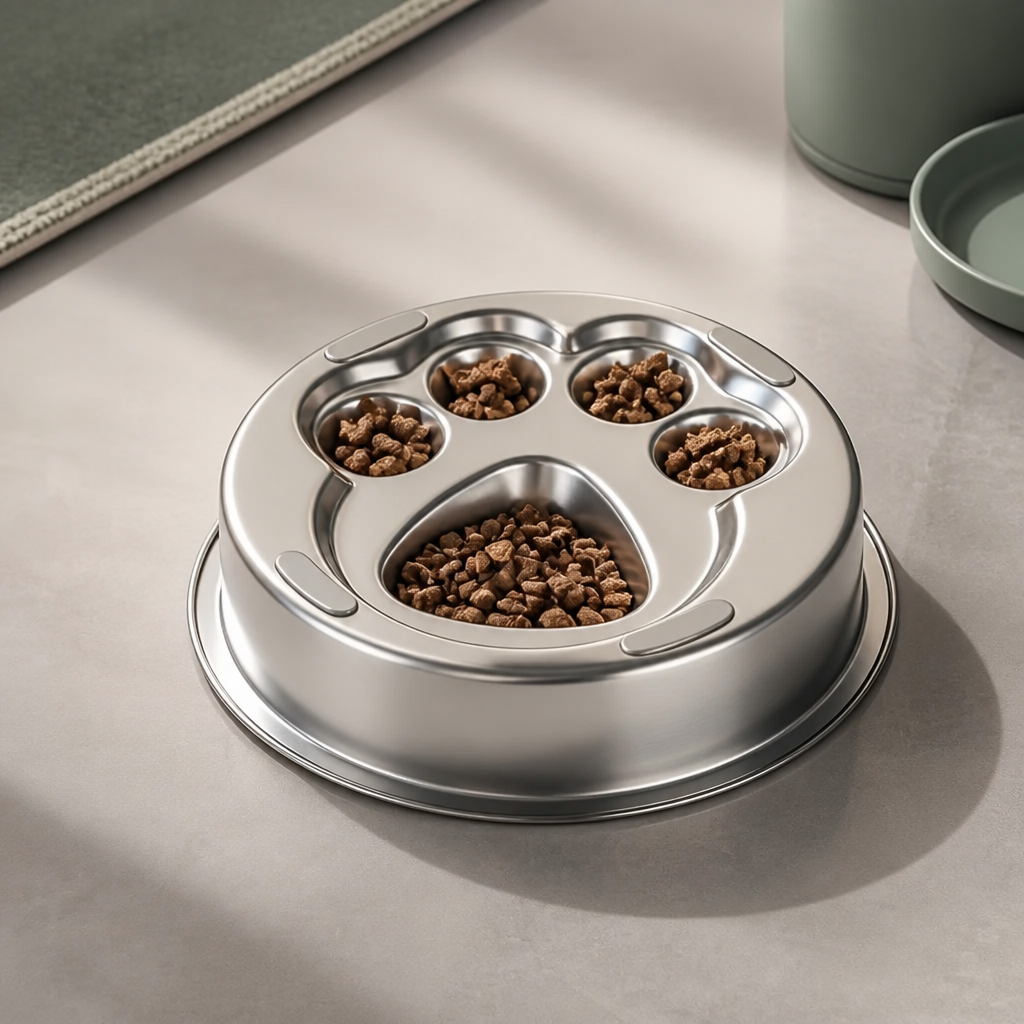
#1 18 cm Stainless Steel Slow Feeder Dog Bowl — $20.99
Best for: Small fast-eating dogs
- Stainless steel construction avoids the plastic feel and odor concerns of many slow feeders.
- Raised puzzle patterns help turn fast meals into slower, more controlled feeding.
- Anti-slip, anti-tip design helps the bowl stay steadier during mealtime.
- The 18 cm small size is not intended for large dogs.
- Raised slow-feeder patterns take more rinsing than a plain flat bowl.
Product Type: Slow feeder pet bowlMaterial: Stainless steelStainless Steel Options: 304 stainless steel; 201 stainless steelSize: 18 cm small
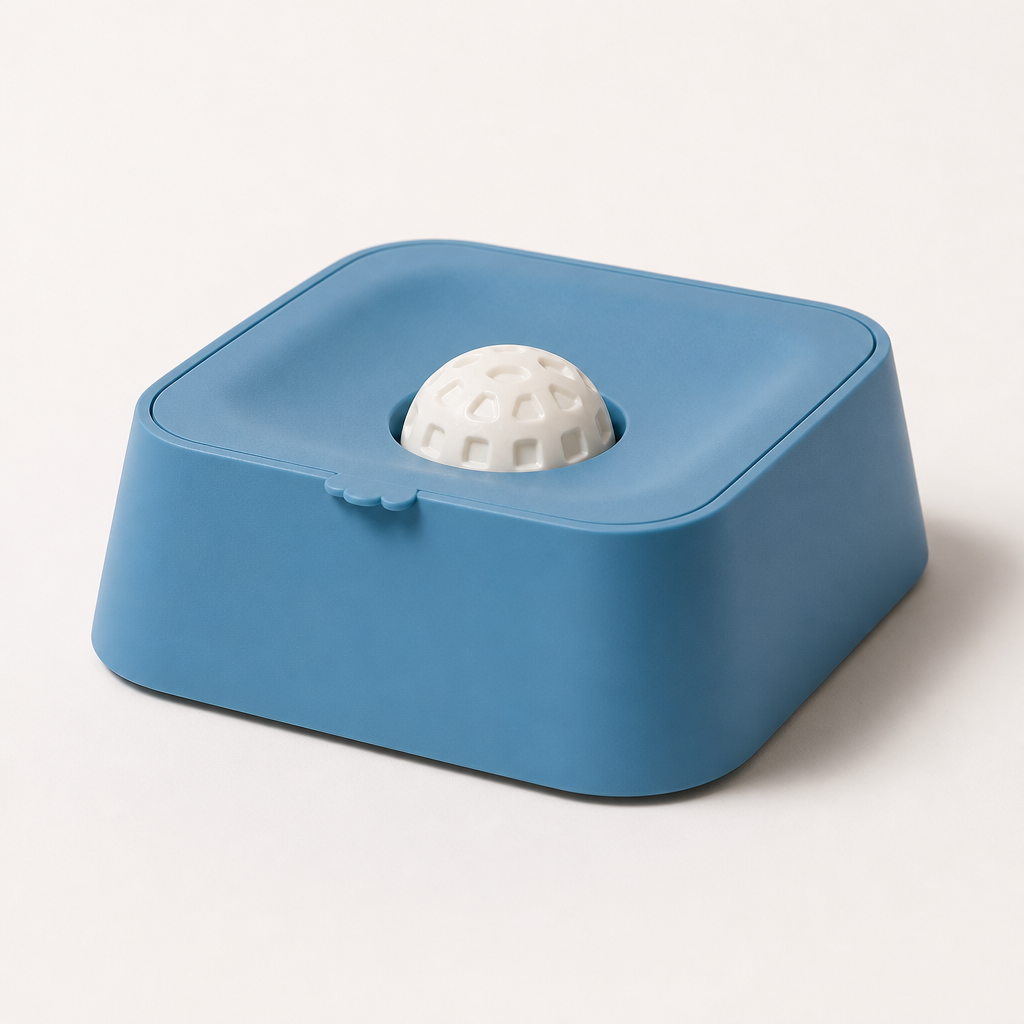
#2 Square PP Slow Feeder Dog & Cat Bowl — $15.99
Best for: Fast-eating dogs and everyday pet meals
- Slow-feed licking surface helps pace pets that eat too quickly.
- PP construction keeps the bowl lightweight at 230 g.
- Square anti-spill design works for both cats and dogs.
- PP plastic is less bite-resistant than stainless steel or ceramic.
- Slow-feed surfaces require more careful cleaning than a plain bowl.
Product Type: Slow feeder pet bowl / anti-spill drinking bowlModel: PB052Material: PP plasticSuitable For: Dogs and cats
Related Guides & Products
- dog slow feeder bowls — Top Picks
- Small Slow Feeder Dog Bowl Buyer’s Guide
- How to Use Dog Bowls for Fast Eaters Safely
- Puzzle and Maze Dog Bowl Buyer’s Guide
- 18 cm Stainless Steel Slow Feeder Dog Bowl
- Square PP Slow Feeder Dog & Cat Bowl
Frequently Asked Questions
Which bowl is better for wet food?
The stainless steel bowl is the better choice for wet food because stainless steel is easier to scrub and less likely to hold odors from oily or moist meals.
Which is better for puppies?
The 18 cm stainless steel bowl is a strong puppy pick because it is small, stable, and offers multiple pattern options for a less frustrating slow-feed setup.
Is PP plastic safe for chewers?
PP plastic is practical for normal feeding, but stainless steel is the better choice for dogs that chew or mouth bowl edges after meals.
Which bowl costs less?
The Square PP Slow Feeder Dog & Cat Bowl costs less at $15.99. The stainless steel bowl is $20.99.
Do these bowls need power?
No. Both are non-electric slow feeder bowls, so they work without batteries, cords, apps, or automatic feeding parts.
Which bowl slides less?
The stainless steel bowl has anti-slip and anti-tip design features, making it the better choice for pets that push bowls while eating.