TL;DR: The Silicone Anti-Snore Nasal Clip Nasal Dilator is a simple $8.99 option for people whose snoring seems tied to restricted nasal airflow. Its soft silicone build, non-electric design, and compact in-nose format make it easy to try before moving to more involved solutions. It is not the best pick for anyone who hates the feel of nasal inserts or whose snoring is mainly mouth or throat related.
Verdict: a low-cost nasal-airflow aid for a specific kind of snorer
If you are asking, “how do i snore when I feel like I’m breathing normally?” one common answer is that your nose may not be moving air as freely once you lie down. The Silicone Anti-Snore Nasal Clip Nasal Dilator is built for that exact scenario: it is a physical, non-electric anti-snore support that sits at the nostrils to help maintain nasal airflow. At $8.99, it is inexpensive enough to try without turning snoring into a major purchase.
This is not a full sleep system, and it is not meant to solve every reason people snore. It is best understood as a minimalist silicone nasal dilator: soft material, no batteries, no app, no straps, and no adhesive. For someone dealing with partner complaints, light-to-moderate nasal stuffiness at night, or the recurring “how do you stop someone from snoring?” conversation, that simplicity is the main appeal.
Our honest take: buy it if you want a small, physical nasal-opening aid and you are comfortable wearing something inside the nose. Skip it if you already know you cannot tolerate nasal inserts, if you mainly sleep with your mouth open, or if the snoring sounds deep in the throat rather than nasal. In those cases, the better first step may be position changes, reducing evening congestion triggers, or comparing the broader options in our anti-snoring solutions roundup.
Who it’s for
This silicone clip makes the most sense for people whose snoring gets worse with nasal congestion, a narrow-feeling nasal passage, dry air, or sleeping flat on the back. It may also suit couples who want a calmer first intervention before turning bedtime into an argument. If the question in your house is “how do i get someone to stop snoring without waking them up angry?” a small nasal dilator can be easier to introduce than a bulky device or a dramatic routine change.
It is also a practical pick for travelers. The product is small, non-electric, and available in sealed bag, two-piece plastic bag, four-piece round box, and four-piece color box packaging options. That matters if you want a spare in a toiletry kit, a bedside drawer, or a shared household pack. Color choices are white, orange, and blue, so you get a little more visibility than a clear nasal strip, which can be useful if you misplace small personal-care items.
It is less ideal for very sensitive sleepers. Any nasal clip or internal dilator creates a physical sensation at the nostrils, and some people find that more distracting than adhesive strips. If you often remove sleep masks or earplugs in the middle of the night, this clip may require a few nights of adjustment.
How we evaluate anti-snore products
We vet, research, and compare anti-snoring products by looking at verified specs, materials, build approach, value, and realistic nightly use. We do not claim lab measurements or overnight clinical results for products we have not run through that kind of formal process. Instead, we assess what the design can reasonably do, where it fits in a snoring routine, and how it compares with sibling products. We also update recommendations as owner feedback and long-term use patterns become clearer.
For this review, the important details are straightforward: this is a silicone anti-snore nasal clip/nasal dilator from Jiansheng, made in Guangdong, China; it weighs 52 g; it uses a minimalist design; it provides physical anti-snoring support; it is not patented; customization is not supported; and the box includes the silicone anti-snore nasal clip.
Key features we like
Soft silicone construction
The defining feature is the silicone build. Silicone is a sensible material for a nasal clip because it can flex, resist sharp edges, and feel softer against the nostril than rigid plastic. That does not guarantee every sleeper will find it comfortable, but it gives this product the right material foundation for something that sits in a sensitive area of the face.
The nonwoven nasal-strip sibling uses fabric and adhesive on the outside of the nose. This clip goes the other direction: no fabric strip across the bridge, no skin-tone matching, and no adhesive pull when you remove it. If you dislike residue or have trouble getting strips to stick on oily or moisturized skin, a silicone insert-style design can be a cleaner-feeling alternative.
Physical airflow support without electronics
The clip’s job is simple: support nasal breathing mechanically. There is no motor, battery, charging cable, Bluetooth connection, or bedside control unit. That simplicity helps keep the price down and reduces the number of things that can interrupt use at bedtime. If you are trying to figure out how to prevent someone from snoring tonight, a non-electric aid is often easier to introduce than a multi-step device.
This also makes it quiet in operation. It does not create sound, airflow, vibration, or active pressure. Its benefit depends on whether holding the nasal passage more open helps the sleeper move air through the nose with less resistance.
Minimalist bedside design
The minimalist style is a real advantage for people who are already irritated by snoring solutions that look medical or feel embarrassing. A small nasal clip is discreet on the nightstand, simple to pack, and quick to put in before bed. The three color choices—white, orange, and blue—are not skin-tone options, but they make the product easier to identify among toiletries.
The weight is 52 g, which is light in a general travel-item sense, though notably heavier than the 1 g nonwoven strip. That weight is not all sitting on the nose in the same way a loose item’s package weight might suggest, but the spec still tells you this is a more substantial object than a thin adhesive strip.
Packaging options support single or multi-use households
The packaging choices are more varied than expected at this price. You can get sealed bag options, two-piece plastic bag options, four-piece round box options, or four-piece color box options. For a couple dealing with repeated partner complaints, multi-pack packaging is useful because it reduces the chance that one misplaced clip ends the experiment.
At $8.99, the value proposition is strong as a first-step nasal aid. You are not paying for a connected device or a complicated fitting process. You are paying for a basic silicone dilator that may help if nasal airflow is part of the snoring pattern.
Real-world use: what it can and cannot do
When people search “how to stop someone from snoring,” they often want a single fix. In reality, snoring can come from the nose, mouth, soft palate, throat, sleeping position, alcohol use, congestion, or a combination of factors. This clip is aimed at the nasal-airflow part of the problem. If the sleeper’s snoring improves when their nose feels clear, or worsens during allergy season, a nasal dilator is a reasonable first product to compare.
If the sleeper snores with their mouth open, gasps, wakes frequently, or snores heavily regardless of nasal congestion, this clip may feel too narrow a solution. It can help the nose; it cannot train side sleeping, prevent jaw drop, or change throat anatomy. For couples trying to solve the question “how do you get someone to stop snoring?” the most productive approach is usually calm, specific, and experimental: try one change at a time and observe what actually helps. Our guide to getting someone to stop snoring calmly is a better starting point if the conversation itself has become the hardest part.
Comfort is the swing factor. Some sleepers prefer a nasal clip because there is no adhesive tug and no strip visible across the nose. Others prefer an external strip because nothing sits inside the nostrils. Neither format is universally better; the right choice depends on skin sensitivity, nasal sensitivity, and whether the person can fall asleep while wearing it.
Cons and tradeoffs
It may feel intrusive
The biggest downside is obvious: this is a nasal clip. If you dislike the sensation of anything inside your nose, the soft silicone build may not be enough to make it tolerable. People who already struggle with earplugs, mouth guards, or sleep masks may find themselves removing it during the night.
It targets only nasal-related snoring
This product provides physical nasal support. That is useful when restricted nasal breathing is part of the issue, but it does not address every cause of snoring. If the goal is how to stop a person from snoring when the sound is clearly throat-based, the clip may disappoint. It is better as one piece of a snoring strategy than as a guaranteed standalone cure.
No customization
Customization is not supported. That keeps the product simple, but it also means you are choosing from the standard format rather than tailoring shape, branding, or special sizing. For most individual buyers, that is not a major issue. For bulk buyers or people who want a highly personalized fit experience, it is a limitation.
Color choices are practical, not discreet
White, orange, and blue are easy to spot, but they are not designed to disappear on the face. If appearance matters to you, the sibling nasal strips offer broader color options, including transparent, black, white, light skin tone, deep skin tone, purple, rose red, and blue.
It requires consistent bedtime habits
A nasal clip only helps when it is used. That sounds basic, but many snoring tools fail because they are forgotten in a drawer after two nights. Keeping it near the bed and making it part of the same routine as brushing teeth gives it the best chance of becoming useful.
How it compares with the nonwoven nasal strips
The closest sibling product is the Nonwoven Anti-Snoring Nasal Breathing Strips, also priced at $8.99. Both aim to improve nasal ventilation through physical support, but they feel very different in use.
The silicone clip is the better choice if you want a non-electric, non-adhesive device and do not mind an in-nose feel. Its silicone construction is soft and simple, and the three-color lineup keeps the buying decision uncomplicated. It also offers sealed bag and multi-pack packaging options.
The nonwoven strip is better if you prefer external support and want almost no weight on the face. At 1 g, it is extremely light, and it comes in multiple shapes: 60 × 22 mm oval, 66 × 19 mm wave, 66 × 20 mm pointed wave, and 55 × 17 mm wave. It also offers far more color choices. The tradeoff is that adhesive strips depend on skin contact, so oils, sweat, lotion, or facial hair can affect how secure they feel. For a deeper look at that option, see our nasal strip review.
In plain terms: choose the silicone clip if adhesive is the problem; choose the strip if internal nasal pressure is the problem. If you are trying to learn how to get someone to stop snoring without buying several devices, that distinction should guide the first purchase.
Price and value
At $8.99, the Silicone Anti-Snore Nasal Clip Nasal Dilator sits in the impulse-friendly range for personal-care sleep accessories. Most shoppers comparing simple nasal aids should expect basic anti-snore strips and clips to land around $8 to $15, while more involved sleep-positioning, oral, or electronic products can cost much more. This clip’s value is strongest when the snoring pattern points to nasal airflow and the sleeper is open to wearing a small insert-style aid.
The included item is straightforward: one silicone anti-snore nasal clip. The product avoids features that would raise the price without necessarily improving the first-night experience—no charging, no controls, no app, no special fitting kit. That restraint is a good thing for a product meant to answer a basic problem: how do i stop someone from snoring enough for both people to sleep?
Bottom line
The Silicone Anti-Snore Nasal Clip Nasal Dilator is a sensible, affordable first try for nasal-related snoring. Its soft silicone material, non-electric build, minimalist style, and $8.99 price make it easy to recommend to the right buyer. It is especially useful for couples who want to try a physical airflow aid before moving to more complex solutions.
It is not a magic answer to how to stop people from snoring in every situation. If the snoring comes from mouth breathing, throat vibration, sleeping position, or another non-nasal cause, this clip may only make a small difference or none at all. But if the sleeper often sounds blocked, congested, or nose-restricted, this is a focused and low-risk place to start.
Our Picks
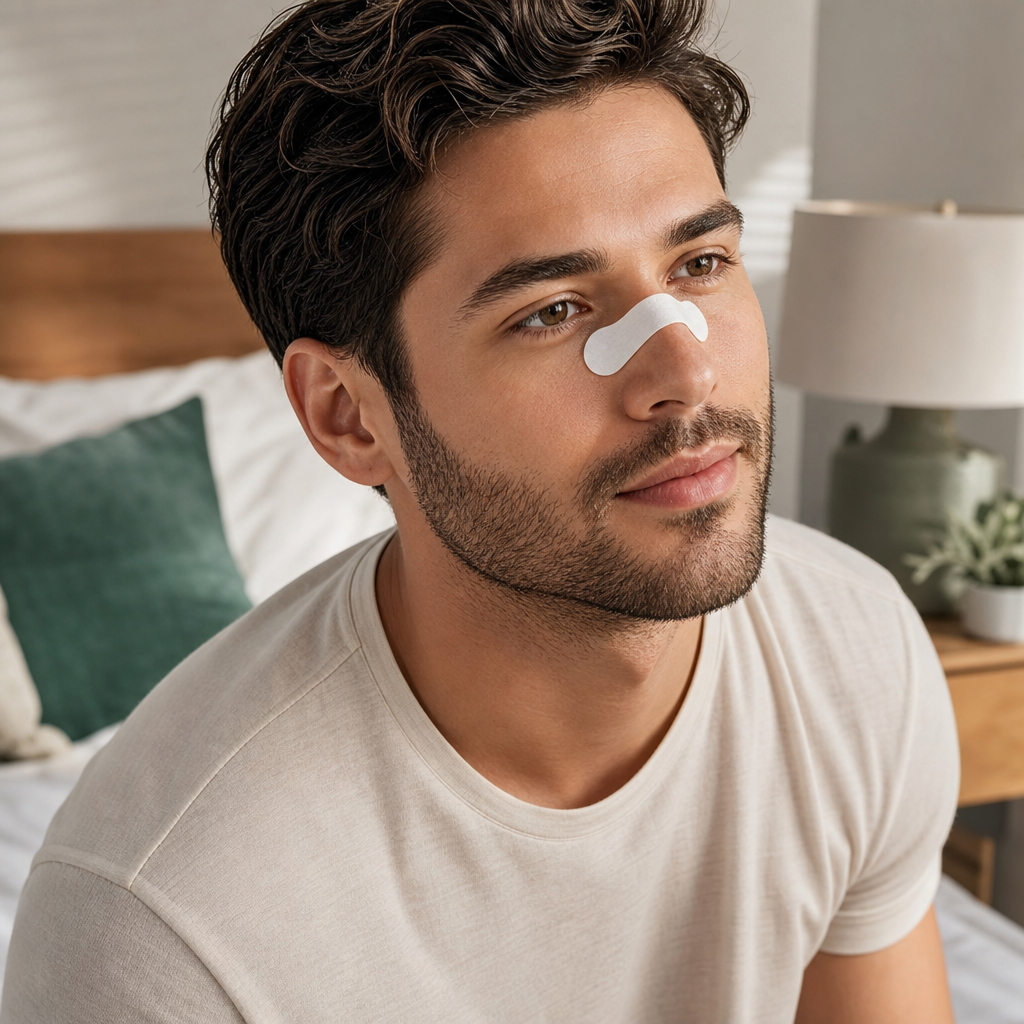
#1 Nonwoven Anti-Snoring Nasal Breathing Strips — $8.99
Best for: Nasal-airflow snoring support
- Physical nasal-expansion design supports improved nasal ventilation.
- Very lightweight 1 g nonwoven construction for unobtrusive wear.
- Multiple shapes, sizes, and colors support different fit and style preferences.
- Adhesive nasal strips may not suit users with sensitivity to face adhesives.
- No electronics, app tracking, or adjustable mechanical components.
Product Type: Anti-snoring nasal strip / nasal dilatorMaterial: Nonwoven fabricFunction: Physical snoring reduction; enhanced nasal ventilationWeight: 1 g
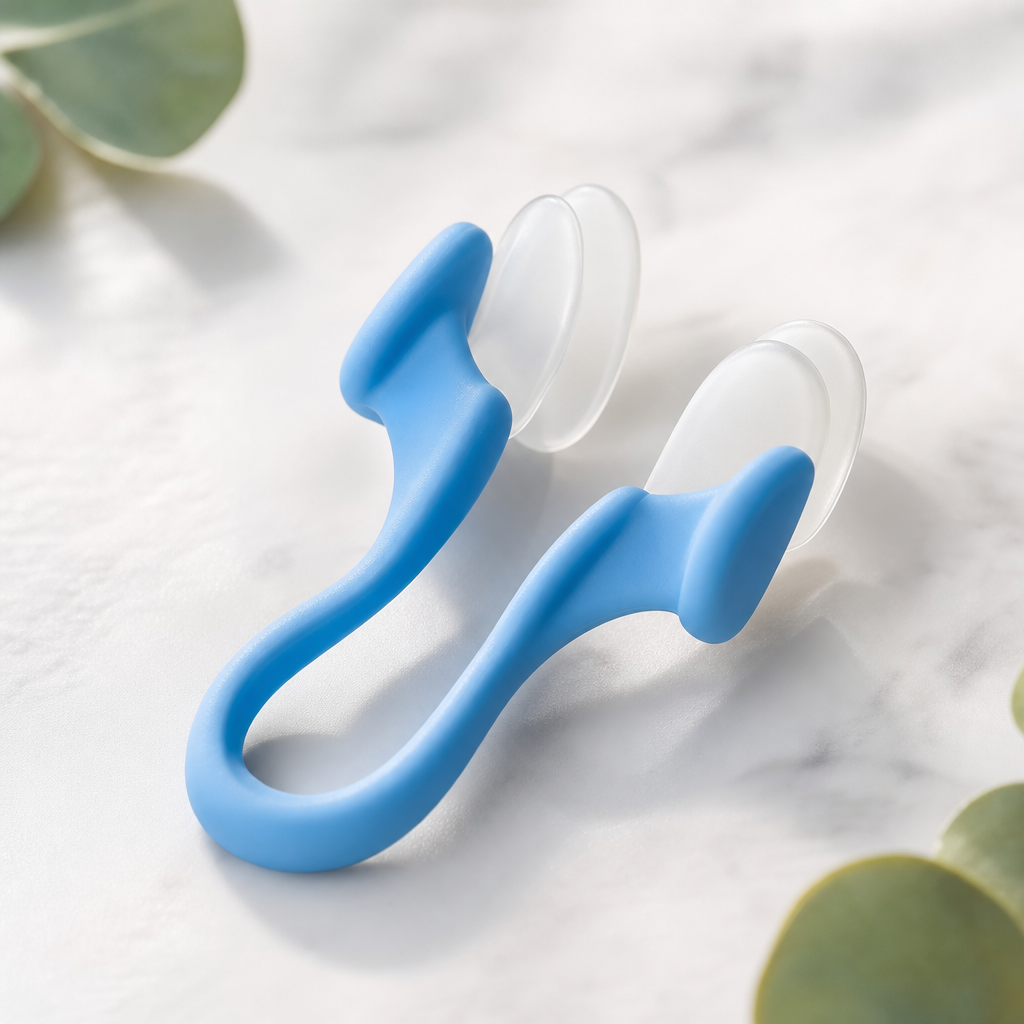
#2 Silicone Anti-Snore Nasal Clip Nasal Dilator — $8.99
Best for: Simple nasal snoring support
- Soft silicone construction in a compact nasal-clip format
- Physical anti-snoring design requires no charging, app, or adhesive
- Available in white, orange, blue, and multi-pack packaging options
- Nasal dilators target nasal airflow, not throat-related or medical snoring
- Small silicone sleep aids need regular cleaning and careful storage
Product Type: Anti-snore nasal clip / nasal dilatorMaterial: SiliconeFunction: Physical anti-snoring supportBrand: Jiansheng
Related Guides & Products
- Best Anti-Snoring Solutions — Top Picks
- How Do I Get Someone to Stop Snoring Calmly
- How to Prevent Someone From Snoring Tonight
- How to Stop Snoring at Night Home Remedies
- How to Stop Snoring During Pregnancy Safely
- How to Stop Someone From Snoring: Nasal Strip Review
- Nonwoven Anti-Snoring Nasal Breathing Strips
- Silicone Anti-Snore Nasal Clip Nasal Dilator
Frequently Asked Questions
What does this nasal clip do?
It provides physical anti-snoring support by helping maintain nasal airflow. It is a non-electric silicone nasal dilator, not a mouthpiece or sleep-positioning device.
Who should buy this clip?
It is best for people whose snoring seems linked to restricted nasal breathing, congestion, or a narrow-feeling nasal passage at night.
Is it better than nasal strips?
It depends on comfort. Choose the silicone clip if you dislike adhesive. Choose nasal strips if you prefer external support and do not want anything inside the nostrils.
What colors are available?
The Silicone Anti-Snore Nasal Clip Nasal Dilator comes in white, orange, and blue.
Does it require batteries?
No. It is a simple non-electric nasal clip, so there is nothing to charge, pair, or plug in before bed.
What is included in the box?
The box includes the silicone anti-snore nasal clip.
This article is for general information only and is not medical advice. Consult a licensed healthcare professional for any health concern.