TL;DR: The Nonwoven Anti-Snoring Nasal Breathing Strips are a low-cost, low-risk first step for snoring that seems tied to nasal airflow. At $8.99, they are simple, lightweight, and available in several shapes and colors. They are not a fix for every snorer, but they make sense before moving to bulkier nasal clips or more involved solutions.
Verdict: a sensible first step for how to stop someone from snoring
The Nonwoven Anti-Snoring Nasal Breathing Strips are a practical, inexpensive option for people trying to reduce snoring caused by restricted nasal breathing. At $8.99, these strips sit in the low-risk trial category: no batteries, no bedside device, no molded mouthpiece, and no learning curve beyond applying the strip correctly across the outside of the nose.
The design is straightforward. Each strip is a physical nasal dilator made from nonwoven fabric, weighing just 1 g, with several shape options and a broad color range. That combination matters in real use. A snoring aid only helps if the sleeper will actually wear it, and a thin external strip is easier to accept than many bulkier anti-snoring products. If your partner complains that snoring is disrupting sleep, and the snorer also feels stuffy or restricted through the nose at night, this is one of the simplest places to start.
Our honest take: these nasal strips are best as a nasal-airflow support product, not a universal answer to every snoring problem. They can help keep the nasal passages more open from the outside, which may reduce vibration-driven snoring when nasal resistance is part of the issue. They will not reposition the jaw, train someone to sleep on their side, or address snoring that mainly comes from the throat or mouth. For a broader view of where nasal strips fit among other options, see our researched anti-snoring solutions roundup.
Who it is for
These strips are for couples who want a calm, practical response to snoring before jumping to more intrusive gear. If you are asking how to stop someone from snoring without starting an argument at 2 a.m., a comfortable-looking nasal strip is a much easier suggestion than a chin strap, mouthpiece, or complicated routine. It feels like a small adjustment rather than a punishment.
They are especially suitable for people who snore more when congested, when lying flat, or when nasal breathing feels restricted. They also make sense for light sleepers sharing a room with someone who needs a non-electric, minimalist option. The strip weighs only 1 g, so it should feel far less noticeable than an insert-style nasal dilator or clip.
They are less ideal for someone who refuses anything adhesive on the skin, has oily skin that makes stick-on products lift, or snores heavily even when nasal breathing is clear. If the question is how do you stop someone from snoring when the noise seems to come from open-mouth breathing, alcohol before bed, or sleep position, this strip may only be one part of the answer.
How we evaluate products like this
We evaluate anti-snoring products by comparing verified specs, materials, construction, comfort factors, value, and likely real-world use. We also update recommendations as owner feedback develops. For nasal breathing strips, we look closely at the material, weight, shape options, skin-facing design, ease of use, price, and how the product fits into a realistic sleep routine. We do not claim lab testing, and we do not treat a nasal strip as a medical device or a cure-all. The core question is simpler: does the design make sense for the type of snoring it is meant to address?
In this case, the product’s strengths are obvious from the design. It is a nonwoven external nasal strip built for physical snoring reduction and enhanced nasal ventilation. It comes in several shapes and colors, uses a minimalist format, and costs under $10. The trade-offs are also clear: an adhesive strip is disposable, fit-sensitive, and limited to nasal airflow support.
Key features and real-world observations
External nasal dilation without electronics
The main function is physical snoring reduction through enhanced nasal ventilation. In plain English, the strip sits on the outside of the nose and helps open the nasal area mechanically. That is the right approach if you are wondering how can you stop someone from snoring when the problem seems tied to stuffiness or narrow nasal airflow rather than jaw position.
The non-electric design is a plus. There is nothing to charge, no motor sound, no app, and no settings. That simplicity is valuable because anti-snoring products often fail when they add friction to bedtime. A strip can be applied quickly and removed in the morning.
Nonwoven fabric keeps the design light and flexible
The strip uses nonwoven fabric rather than silicone, hard plastic, or foam. Nonwoven material is common in adhesive personal-care products because it can be thin, flexible, and light. Here, the 1 g weight reinforces the minimalist design. For someone sensitive to wearing things on the face during sleep, that low weight is one of the product’s strongest points.
The likely comfort advantage is also the main limitation: it is still a stick-on product. Skin needs to be clean and dry for the strip to stay put, and some users dislike adhesive residue or the feeling of removing a strip in the morning. That is not a dealbreaker at this price, but it is a real ownership consideration.
Multiple shapes improve the odds of a decent fit
The product comes in several shape and size options: a 60 × 22 mm oval, a 66 × 19 mm wave, a 66 × 20 mm pointed wave, and a 55 × 17 mm wave. Those dimensions matter because noses vary. A wider oval may feel more stable for some users, while narrower wave shapes may sit more discreetly or fit smaller noses better.
This variety is useful when couples are trying to figure out how to prevent someone from snoring without making bedtime feel like a science project. If one shape feels too wide or too visible, another shape may be more acceptable. The downside is that choosing the wrong size can make the strip less comfortable or less secure.
Color options make it easier to actually wear
The color selection is broader than usual for a basic snoring strip: transparent, black, white, light skin tone, deep skin tone, purple, rose red, and blue. That is more than a cosmetic footnote. People are more likely to use a product consistently if it feels unobtrusive or matches their preference. Light and deep skin tone options help the strip look less medical, while black or brighter colors may appeal to users who do not care about discretion.
For shared bedrooms, that can reduce resistance. If you are asking how do I get someone to stop snoring, the answer often starts with offering something they are not embarrassed to wear.
Minimalist style is a genuine advantage
The minimalist style works in this category. Snoring is already emotionally loaded: the person snoring may feel criticized, while the partner may feel exhausted and resentful. A small nasal strip feels less accusatory than a bulky device. It is easy to keep on a nightstand, pack for travel, and use only on nights when congestion or fatigue makes snoring more likely.
For more relationship-focused tactics, our guide on how to get someone to stop snoring calmly pairs well with this kind of low-pressure product. A strip will not solve the conversation, but it gives the couple a concrete first step.
Customization support is more useful for bulk buyers than individuals
The strips support customization, and the model is 001-鼻贴 from brand 传成, with origin in Huizhou, China. For an individual buyer, customization is not the core reason to buy. For clinics, wellness shops, promotional programs, or private-label sellers, customization may matter more. For a single household trying to keep someone from snoring, the more important specs are price, material, shape, and comfort.
What we like
The best thing about these strips is the low-friction design. If someone is searching how to stop a person from snoring tonight, the most realistic options are usually the simplest: improve nasal airflow, change sleep position, reduce congestion triggers, and avoid overcomplicating the bedtime routine. These strips directly address the nasal-airflow part.
We also like the price. At $8.99, this product is cheap enough to try before committing to more expensive anti-snoring aids that often land in the $20 to $80 range, with some oral devices and electronic products going higher. The value case is strongest for occasional snorers, travel use, and partners who want a non-confrontational first experiment.
The multiple sizes and color options are also meaningful. A nasal strip is personal; if it looks wrong, feels too large, or screams “medical supply,” people stop using it. This product gives more choice than a one-shape, one-color strip.
Real cons to know before buying
The first con is that nasal strips only target nasal breathing. If the snoring comes mainly from the throat, soft palate, alcohol-related relaxation, back sleeping, or open-mouth breathing, the improvement may be limited. That is the central limitation of the category, not just this product.
Second, adhesive comfort varies. Nonwoven fabric is light, but the strip still sticks to the nose. People with sensitive skin may dislike repeated nightly use, and anyone with oily skin, moisturizer, or sweat on the nose may have trouble keeping an external strip secure through the night. The strip also needs good placement; too high, too low, or off-center can reduce its usefulness.
Third, it is not reusable. A 1 g nonwoven strip is convenient, but it is a consumable product. If someone needs nightly support, ongoing replacement cost and waste matter. The $8.99 starting price is appealing, but buyers should think of it as a repeat-use supply rather than a one-time device.
Fourth, the broad shape selection can create trial and error. Four size/shape options improve fit potential, but they also mean a first-time buyer may need to experiment. If the first shape feels odd, that does not automatically mean nasal strips are wrong; it may mean the shape is not ideal for that nose.
Finally, the product has no patent, which is not automatically bad, but it does mean the design should be judged on practical value rather than proprietary technology. This is a simple physical nasal strip, and its appeal is simplicity, not a breakthrough mechanism.
How it compares with the silicone nasal dilator
The closest sibling is the Silicone Anti-Snore Nasal Clip Nasal Dilator, also priced at $8.99. The choice comes down to external adhesive strip versus silicone nasal clip. The nonwoven strip is much lighter at 1 g, sits outside the nose, and offers more colors and shapes. The silicone clip uses soft silicone, comes in white, orange, and blue, and weighs 52 g in its packaged format. It is also non-electric and minimalist, but it is a more noticeable style of product because it is a clip/dilator rather than a flat strip.
Choose the Nonwoven Anti-Snoring Nasal Breathing Strips if comfort, discretion, travel convenience, and a barely-there feel matter most. Choose the silicone nasal clip if you want to avoid adhesive on the skin or prefer an insert/clip-style dilator. Neither is the right answer for every snorer, but both are reasonable first-line physical options before considering more involved anti-snoring systems.
Best use: pair the strip with simple sleep changes
If you are trying to figure out how do you stop a person from snoring, the most practical answer is usually a combination approach. A nasal strip can help with airflow, but it works best alongside basic habits: sleeping on the side, reducing nasal congestion, keeping the bedroom air comfortable, and avoiding heavy alcohol close to bedtime. Our guide to preventing someone from snoring tonight covers those immediate adjustments in more detail.
For someone asking how do I stop someone from snoring without escalating the problem, the tone matters too. Frame the strip as something to try together, not proof that the snorer is doing something wrong. “This might help both of us sleep better” works better than “You need to fix your snoring.”
People phrase this problem many ways: how to stop somebody from snoring, how to get someone to quit snoring, how to get people to stop snoring, or even the awkward search “how to snoring.” The useful answer is the same: identify the likely cause, start with the least intrusive fix, and keep the routine easy enough to repeat.
Bottom line
The Nonwoven Anti-Snoring Nasal Breathing Strips are a strong value pick for mild to moderate snoring that appears connected to nasal airflow. The $8.99 price, 1 g weight, nonwoven fabric, multiple shapes, and wide color selection make them easy to recommend as a first experiment. They are not a cure-all, and they are not the best match for every snorer, but they solve an important buyer pain point: giving tired couples a simple, affordable, non-electric way to try improving sleep without making the snorer feel attacked.
If the main question is how to stop people from snoring in a shared bedroom, start here when nasal breathing seems involved. If the strip helps, it is one of the simplest wins in the category. If it does not, you have learned something useful without spending much, and you can move on to a different style of anti-snoring support.
Our Picks
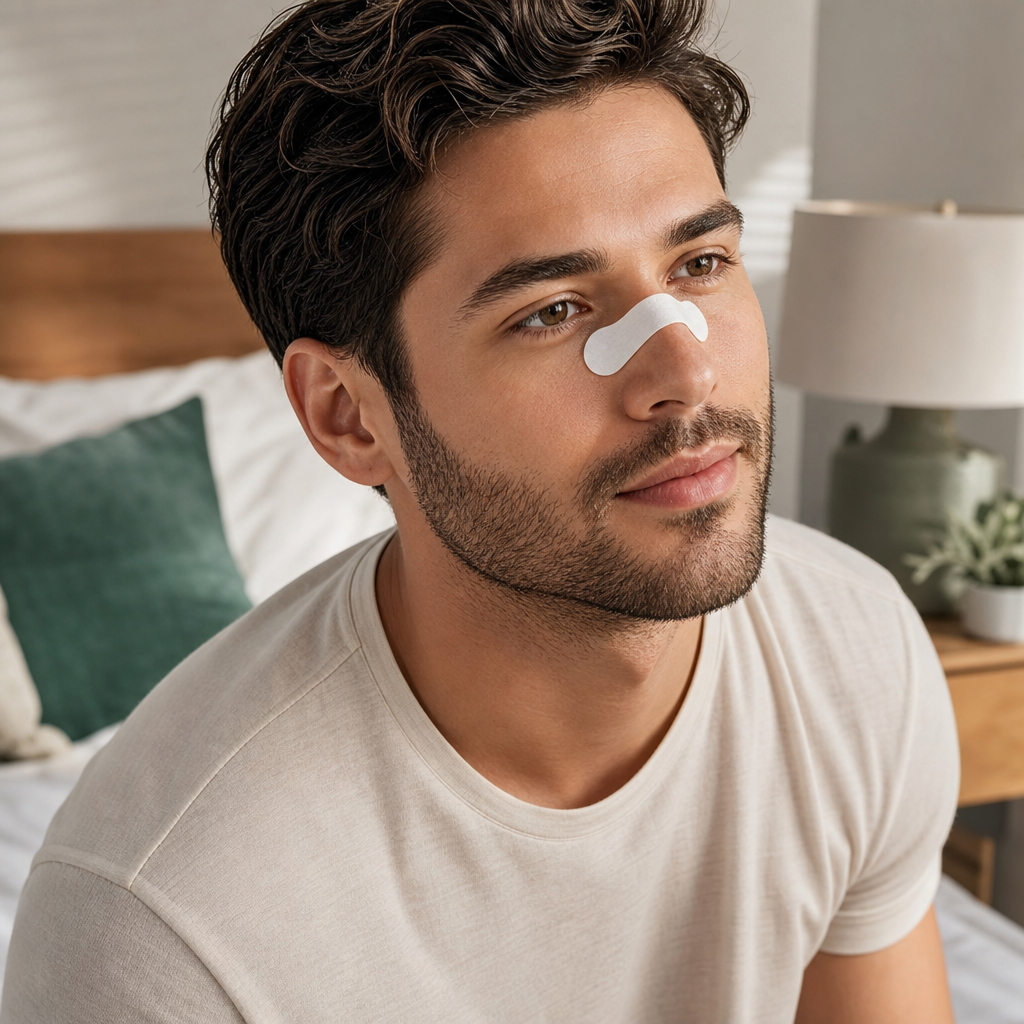
#1 Nonwoven Anti-Snoring Nasal Breathing Strips — $8.99
Best for: Nasal-airflow snoring support
- Physical nasal-expansion design supports improved nasal ventilation.
- Very lightweight 1 g nonwoven construction for unobtrusive wear.
- Multiple shapes, sizes, and colors support different fit and style preferences.
- Adhesive nasal strips may not suit users with sensitivity to face adhesives.
- No electronics, app tracking, or adjustable mechanical components.
Product Type: Anti-snoring nasal strip / nasal dilatorMaterial: Nonwoven fabricFunction: Physical snoring reduction; enhanced nasal ventilationWeight: 1 g
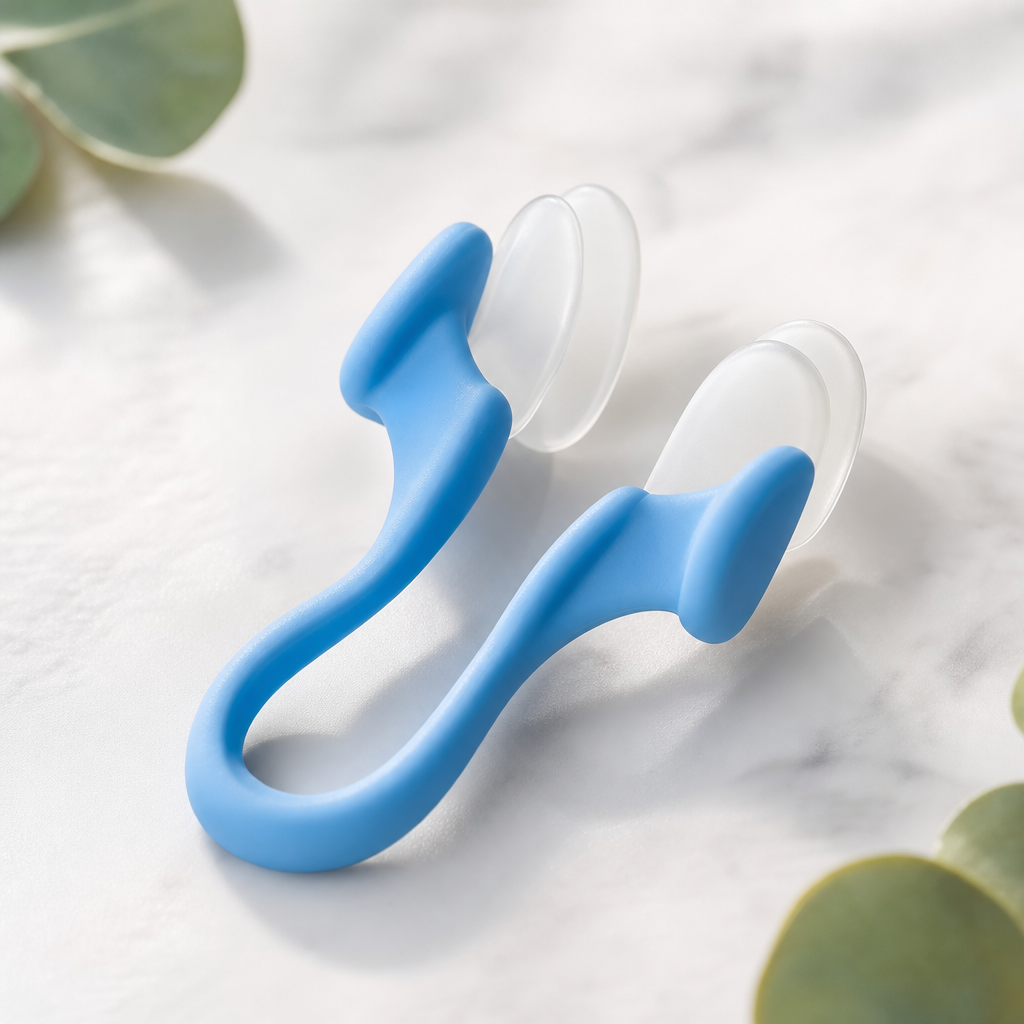
#2 Silicone Anti-Snore Nasal Clip Nasal Dilator — $8.99
Best for: Simple nasal snoring support
- Soft silicone construction in a compact nasal-clip format
- Physical anti-snoring design requires no charging, app, or adhesive
- Available in white, orange, blue, and multi-pack packaging options
- Nasal dilators target nasal airflow, not throat-related or medical snoring
- Small silicone sleep aids need regular cleaning and careful storage
Product Type: Anti-snore nasal clip / nasal dilatorMaterial: SiliconeFunction: Physical anti-snoring supportBrand: Jiansheng
Related Guides & Products
- Best Anti-Snoring Solutions — Top Picks
- How Do I Get Someone to Stop Snoring Calmly
- How to Prevent Someone From Snoring Tonight
- How to Stop Snoring at Night Home Remedies
- How to Stop Snoring During Pregnancy Safely
- Nonwoven Anti-Snoring Nasal Breathing Strips
- Silicone Anti-Snore Nasal Clip Nasal Dilator
Frequently Asked Questions
Do nasal strips stop all snoring?
No. They mainly support nasal airflow. They are most useful when snoring is tied to nasal restriction, congestion, or difficulty breathing through the nose.
Are these strips reusable?
No. A nonwoven adhesive nasal strip is a disposable product. It is meant to be applied before sleep and removed afterward.
Who should try this first?
Someone who snores more when congested, feels nasal blockage at night, or wants a light, non-electric anti-snoring option before trying bulkier devices.
How much do these nasal strips cost?
The Nonwoven Anti-Snoring Nasal Breathing Strips cost $8.99, putting them in the low-cost trial range for anti-snoring products.
How do they compare with silicone clips?
These strips are lighter and sit outside the nose. Silicone clips avoid adhesive but feel more noticeable because they use a clip or dilator format.
What colors are available?
Color options include transparent, black, white, light skin tone, deep skin tone, purple, rose red, and blue.
This article is for general information only and is not medical advice. Consult a licensed healthcare professional for any health concern.