TL;DR: A pet drinking fountain encourages hydration by providing flowing, filtered water. This guide covers key factors like capacity, material, filtration, noise, and cleaning. We compare budget and premium picks, including a cordless stainless steel model and a colorful automatic fountain, so you can choose the best for your cat or dog.
A pet drinking fountain can turn a finicky cat into a hydrated one. Flowing water appeals to their instinct, encouraging them to drink more. When we researched the market, we found two standout options right here on BridgePicks: the sleek 3.2L Stainless Steel Cordless Cat Water Fountain and the budget-friendly 3L Automatic Filtered Cat & Dog Water Fountain. This guide walks you through the factors that matter most, so you can choose with confidence. If you’re comparing models, start with our roundup of the best cat water fountains.
Water Capacity and Fountain Size
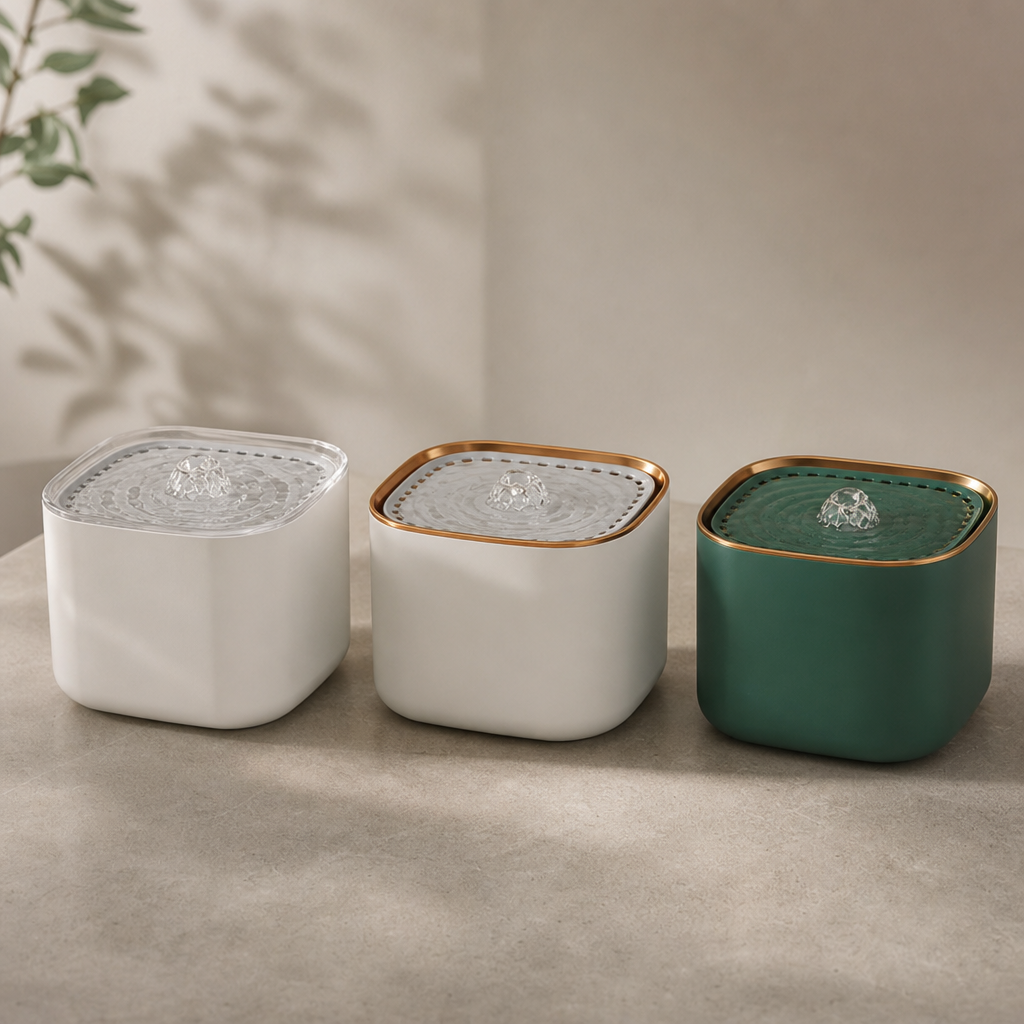
The right capacity depends on your pet count and how often you want to refill. A single cat drinks roughly 4 to 5 ounces per day, but a fountain’s reservoir needs to hold more because water circulates. For one or two cats, a 2–3 liter capacity works well. For multiple cats or dogs, aim for 3.2 liters or larger. The 3.2L Stainless Steel Cordless Fountain (3.2 liters) keeps up with busy multi-pet homes, while the 3L Automatic Filtered Fountain holds enough for one or two cats. Remember, you’ll still need to top off and clean regularly, so a larger basin can mean fewer refills but also heavier lifting on cleaning day. Check our guide on choosing a fountain for multiple pets: best cat water fountain for multiple cats.
Material: Stainless Steel vs Plastic
The material affects hygiene, taste, and durability. Stainless steel resists bacterial buildup and doesn’t leach chemicals. It’s also dishwasher-safe and won’t develop scratches that harbor gunk. Plastic fountains can be budget-friendly and come in fun colors, like the 3L Automatic Filtered Fountain with its gray-white, smoky, or gold-edge options. But over time, plastic may absorb odors and scratch. If your cat is prone to chin acne, stainless steel is the safer bet. We compared the two in depth: see stainless steel vs plastic cat water fountain. The 3.2L Cordless model ($66.99) uses a full stainless basin, making it a premium pick for long-term use. Its smooth surface wipes clean easily — a big advantage over plastic designs that can trap residue in micro-scratches.
Filtration System and Filter Replacement
Filters trap hair, debris, and odors, keeping water fresh. Both BridgePicks fountains include a filter element. The 3.2L uses replaceable cartridge filters, and you can buy 2- or 5-box multipacks to lower cost per filter. The 3L model offers a 6-piece replacement filter chip set. Factor in filter cost when budgeting: a fountain’s upfront price is only part of the story. Changing filters every 2–4 weeks is typical. For more on timing, read cat water fountain filter replacement. A fountain with easy-to-find, affordable filters helps you stick to a cleaning routine. Avoid models with proprietary filters that are hard to source or overly expensive.
Noise Level and Pump Quality
A loud fountain can disrupt sleep or scare pets. Look for a well-designed pump with submerged operation and vibration-dampening. The 3.2L Cordless fountain’s pump is detachable and engineered for quiet circulation. The 3L Automatic Filtered Fountain is available in a standard version and an upgraded model with anti-dry-burn protection, which also tends to run quieter. If noise is a concern, prioritize models that specifically mention quiet operation. We go deeper into pump noise and fixes in our best quiet cat water fountain buying guide and noise fix tips. Placing the fountain on a mat can further dampen vibrations.
Ease of Cleaning and Maintenance
All fountains need regular scrubbing to prevent slime and mineral buildup. The ideal design disassembles without tools and has no hidden crannies. The 3.2L Stainless Steel Cordless unit is fully detachable and comes with a cleaning brush. The 3L Automatic model is also removable. Stainless steel is easier to disinfect than plastic — a quick swipe with a soft sponge usually suffices. Follow our step-by-step cleaning guide and filter maintenance tips to keep your fountain in top shape. Once a month, descale with diluted vinegar to prevent hard-water deposits.
Power Source: Corded vs Cordless
Corded fountains need a constant outlet, which can limit placement or create tripping hazards. Cordless, rechargeable designs like the 3.2L Cordless Fountain ($66.99) give you freedom to place the fountain anywhere — even on the balcony or in a room without a convenient plug. It charges via Type-C and runs cord-free for hours, though we recommend keeping it on its charging base for constant flow. During power outages, a truly cordless fountain can keep water circulating if it has enough battery. The 3L Automatic Fountain is corded, so it’s permanently plugged in. Think about your home layout and whether cordless flexibility matters. See are cat water fountains worth it for more on reliability.
Design and Extra Features
The spout style and flow type can influence your cat’s interest. The 3.2L Cordless includes two interchangeable nozzles, creating a gentle stream or a bubbling effect. It also features automatic circulation. The 3L model comes in multiple finishes — classic, luxury, fashion — to match your décor. Neither requires an app; they work right out of the box. For details on how these fountains perform, read our 3.2L stainless steel cat water fountain review and 3L automatic cat water fountain review. Additional touches like an LED light (available on some upgraded versions of the 3L) can help you monitor water levels at night.
Common Mistakes to Avoid When Buying a Pet Drinking Fountain
- Buying too small: Undersizing the fountain leads to constant refilling and may not attract your cat.
- Ignoring material: Plastic can develop scratches and odors over time; stainless is more durable.
- Overlooking filter costs: Check the price and availability of replacement filters before buying.
- Choosing a noisy pump: A loud fountain can stress your pet and disturb your home.
- Neglecting cleaning difficulty: Complex designs become a chore, leading to neglected maintenance.
- Skipping the power source evaluation: Corded models can be a hassle if outlets are scarce.
Price Expectations: Budget, Mid-Range, and Premium Tiers
Pet drinking fountains range from under $35 to over $80. Here’s what to expect at each level:
- Budget ($30–$40): Plastic fountains with a simple filter system, like the 3L Automatic Filtered Fountain ($31.99). Good for one or two pets, basic filtration, often color choices.
- Mid-range ($65–$70): Stainless steel, larger capacity, and extra features like cordless operation. The 3.2L Stainless Steel Cordless Fountain ($66.99) exemplifies this tier — rechargeable, hygienic, and quiet.
- Premium ($80+): Usually larger than 3.5 liters, may include app connectivity, multiple streams, or ceramic construction. We haven’t vetted models in this range yet, but they often add smart sensors and ultra-quiet pumps.
Quick-Reference Table
| Feature | 3.2L Stainless Steel Cordless (W01S) | 3L Automatic Filtered (NYSJ518) |
|---|---|---|
| Price | $66.99 | $31.99 |
| Capacity | 3.2 L | 3 L |
| Material | Stainless steel basin | Plastic |
| Power | Rechargeable cordless (Type-C) | Corded electric |
| Filtration | Replaceable filter element (multipacks available) | Replaceable filter (6-pack chips) |
| Cleaning | Detachable, includes brush | Removable design |
| Noise | Quiet pump | Standard or upgraded with anti-dry burn |
| Best For | Multi-pet homes, hygiene, cordless freedom | Budget buyers, décor matching |
For a deeper dive into the top-rated options, see our full roundup of cat water fountains.
Related Guides & Products
- pet-supplies — Top Picks
- How to Choose a Cat Water Fountain
- How to Clean Cat Water Fountain Parts
- Stainless Steel Cat Water Fountain vs Plastic
- 3.2L Stainless Steel Cat Water Fountain Review
- 3L Automatic Cat Water Fountain Review
- Are Cat Water Fountains Worth It? Maintenance Guide
- Best Quiet Cat Water Fountain Buying Guide
- Cat Water Fountain Filter Replacement: When and How
- Stainless Steel Cat Water Fountain Buying Guide
- Why Your Cat Won’t Drink From Water Fountain
- Cat Water Fountain Making Noise: Quick Fixes
- Best Cat Water Fountain for Multiple Cats
- Best Stainless Steel Cat Water Fountain Guide
- How to Clean a Cat Water Filter and Fountain
- Best Cat Water Fountain: Stainless vs Plastic Picks
- Kitty Spout Fountain Buyer’s Guide
- Wonder Creature Pet Fountain Buyer’s Guide
- 3.2L Stainless Steel Cordless Cat Water Fountain
- 3L Automatic Filtered Cat & Dog Water Fountain
Frequently Asked Questions
How often should I replace pet fountain filters?
Replace filters every 2–4 weeks. If you notice odor, slime, or reduced flow sooner, change it earlier. Wash the filter housing weekly.
Why won’t my cat drink from the fountain?
Cats may be startled by pump noise or unfamiliar parts. Place the fountain in a quiet spot, away from food bowls. Try a gentle stream nozzle and let it run without disturbance.
Can I leave my pet fountain running constantly?
Yes, pet fountains are designed for continuous circulation. Just top off the water daily and clean it thoroughly at least once a week.
How do I clean a stainless steel pet fountain?
Disassemble the fountain and scrub the basin with a soft brush and mild soap. Rinse well and dry. Deep-clean monthly using a diluted vinegar solution to remove mineral deposits.
Are cordless pet water fountains safer?
Cordless models eliminate tripping hazards and work during power outages if charged. They can be placed anywhere, but ensure they are recharged regularly to maintain flow.
What size water fountain is best for two cats?
A 3-liter fountain works, but 3.2 liters or more reduces refill frequency. The 3.2L Stainless Steel Cordless Fountain easily serves two cats for a day.