TL;DR: A travel water flosser needs to balance portability, power, and tank capacity. Our top picks—the A8, Cordless IPX7, and T956—span $25–$37, cover IPX6/IPX7 waterproofing, 250–500+g tank sizes, and 15–30+ day runtimes. Prioritize multiple pressure modes if you have sensitive gums, and don’t overlook specialized nozzles for tonsil stones or braces. Skip cheap knockoffs that leak or die quickly.
Keeping your gums healthy and food debris out of hard-to-reach spots shouldn’t stop when you travel. A compact oral irrigator can be the difference between a fresh, clean feeling and that nagging discomfort around braces, crowns, or tonsil crypts. While Waterpik is a household name, the cordless models we’ve researched deliver similar convenience without the countertop clutter—and often at a friendlier price. In our best oral care roundup, we break down what matters, but this guide zeroes in on the best travel size water flosser options you can toss in a dopp kit and forget about.
1. Portability and Design
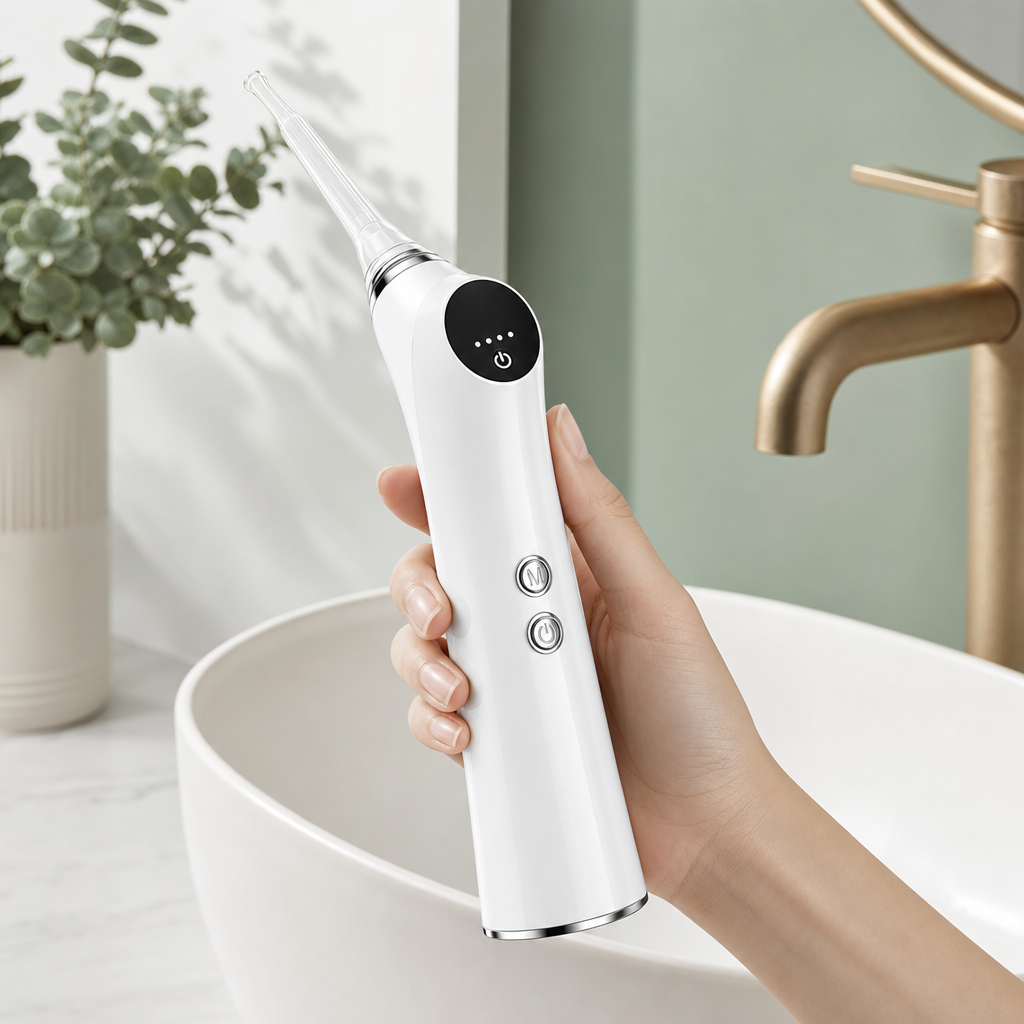
Travel flossers live and die by their dimensions and weight. Look for something under 400 g that won’t hog your toiletry bag. The A8 tips the scales at just 250 g, while the T956 comes in at 500 g—still packable but noticeably heavier. All our picks are cordless and handheld, doing away with bulky bases. Waterproofing is non-negotiable: an IPX6 rating (like the A8) means it can handle splashes, but IPX7 (the Cordless IPX7) can survive a quick dunk in the sink. If you’re prone to fumbling in a cramped hotel bathroom, that extra level of protection buys peace of mind.
2. Water Tank Capacity and Refilling Convenience
Nothing kills the flow like pausing mid-session to refill. Tank capacity is the biggest trade-off in a travel flosser. The A8 holds under 300 mL—enough for about 30–45 seconds of use—while the Cordless IPX7 large-tank variants push past 400 mL, lasting a full minute or more. If you’re treating braces or deep cleaning around tonsil stones, a larger reservoir saves frustration. Some designs are tankless, letting you draw directly from a cup, but that’s less intuitive. For travel, we recommend at least 300 mL to avoid constant trips to the tap. The T956 doesn’t list its exact capacity, but its 500 g weight and targeted cleaning focus suggest a moderate tank balanced by a specialized spray pattern.
3. Pressure Settings and Gum Comfort
Sensitive gums demand control. A single-blast setting can sting and discourage regular use. The best travel flossers offer multiple modes or stepped adjustments. The Cordless IPX7 comes with three cleaning modes (or a three-level adjustment, depending on the variant you choose), so you can start gentle and ramp up. The A8’s piston pump delivers a consistent stream, but it lacks explicit mode options—it’s more of a fixed pressure. If you have sensitive gums, opt for a model that lets you dial back the force. Remember, pressure isn’t about maximum PSI; it’s about finding the balance where you feel the clean without seeing pink in the sink.
4. Battery Life and Charging for Travel
A dead flosser on day three of a trip is dead weight. Runtime claims can be slippery—manufacturers often cite “more than X days” based on hypothetical once-daily use. The A8 promises more than 15 days from its 500–800 mAh battery, which likely means about 2–3 weeks with one tank per day. The Cordless IPX7 stretches to more than 30 days with a 1200–2000 mAh cell, so it’s the clear marathoner. The T956 doesn’t publish battery specs, but its 500 g frame hints at a substantial cell. All three use built-in rechargeable batteries, so you’ll need a USB cable. A full charge typically takes a few hours; topping up once a month is realistic for most. If you’re a heavy user (multiple tanks per session), halve these estimates and pack a cable.
5. Specialized Features: Tonsil Stones and Braces
Not all water jets are created equal when it comes to niche cleaning. The T956 is purpose-built for tonsil stone dislodging, with a targeted spray that reaches crypts without gagging you. A standard multi-nozzle kit may not deliver the same precision—so if tonsil stones are your primary concern, that specialization matters. For braces, a flosser with a braces tip (often included or available separately) helps flush out brackets and wires. The Cordless IPX7 ships with four nozzle tips in its tankless variant, making it a versatile choice for mixed households. The A8 bundles different nozzle quantities; check the listing to ensure you get the tips you need.
6. Build Quality and Leak-Proof Construction
A flosser that leaks in your bag ruins more than your morning. Look for units with a secure tank seal and a piston pump that won’t dribble when not in use. Our three picks all use piston pumps, which generally resist gravity-fed leak issues better than diaphragm designs. The A8’s lightweight build means less stress on seams, while the Cordless IPX7’s waterproof body adds an extra layer of internal sealing. The T956, at 500 g, feels substantial, but check the tank gasket regularly—hard water deposits can eat away at silicone over time.
7. Ease of Cleaning and Maintenance
A moldy reservoir or clogged nozzle can turn a health tool into a hazard. Portables are easier to clean when the tank opens wide and the internals are accessible. All three models have removable tanks (where applicable) and water-flushable pathways. To keep things sanitary, empty and air-dry after each trip, and run a diluted vinegar solution through monthly. Nozzles should be swapped every 3–6 months—check the daily care guide for schedules.
Common Mistakes When Buying a Travel Water Flosser
- Ignoring tank size: A 150 mL reservoir means refilling twice per session. Stick to 300 mL+ for travel.
- Assuming all are waterproof: Those without an IPX rating may fry if splashed. Always verify.
- Overlooking pressure customization: A single pressure setting can be too harsh for gums or too soft for debris.
- Believing runtime hype: “30 days” often assumes minimal use. If you floss twice daily, expect half that.
- Skipping the nozzle kit: A specialized tongue or periodontal tip can make the difference for tonsil stones or deep pockets.
Price Expectations: Budget to Premium
Travel oral irrigators cluster into three tiers:
- Budget ($20–$30): Basic models like the A8 ($24.99) deliver core flossing with decent waterproofing and 15+ day runtime. Expect fewer modes and smaller tanks.
- Mid-range ($30–$40): Here you’ll find the Cordless IPX7 ($29.99) and the T956 ($36.99), offering larger tanks, more modes, or specialized cleaning heads. This tier hits the sweet spot for most travelers.
- Premium ($40+): Step-up models may include magnetic charging, travel cases, or longer runtimes. While we didn’t vet any at this level, our portable water flosser guide for travel covers higher-end options if budget allows.
Quick-Reference Table: Our Top Picks
| Model | Price | Weight | Tank Capacity | Waterproof | Runtime | Modes | Best For |
|---|---|---|---|---|---|---|---|
| A8 | $24.99 | 250 g | <300 mL | IPX6 | 15+ days | Single | Ultralight travel, simple use |
| Cordless IPX7 | $29.99 | 347 g | 400 mL+ (large tank) | IPX7 | 30+ days | 3 modes | Long trips, sensitive gums |
| T956 | $36.99 | 500 g | Not specified | Not rated | Not published | Targeted spray | Tonsil stones, precise cleaning |
Ultimately, the right travel flosser isn’t about brand prestige—it’s about matching the tool to your mouth’s quirks. Whether you’re untangling braces wire or banishing tonsil stones, one of these compact irrigators should fit your carry-on and your routine. For a deeper dive into cross-category comparisons, see our dental irrigator buyer’s guide.
Related Guides & Products
- oral-care — Top Picks
- Best Portable Water Flosser Guide for Travel
- How to Use a Water Flosser for Braces
- Water Flosser for Sensitive Gums: Comfort Guide
- Water Flosser for Tonsil Stones: Safe How-To
- Waterpik Water Flosser vs Cordless Picks
- Which Dental Irrigator Should You Buy?
- Cordless Water Flosser Review: IPX7 Portable Pick
- T956 Oral Irrigator Review for Tonsil Stones
- A8 Portable Oral Irrigator Review: Budget Pick
- How Often to Use a Water Flosser: Daily Care Guide
- Can You Use Mouthwash in Water Flosser?
- Water Flosser vs Floss: Which Cleans Better?
- Best Portable Water Flosser for Travel and Small Baths
- Dental Water Jet Buyer’s Guide
- Aquasonic Aqua Flosser Pro Buyer’s Guide
- Portable vs. Regular Water Flosser: Which Is Right for You?
- T956 Portable Oral Irrigator for Tonsil Stone Cleaning
- Portable Cordless Water Flosser with IPX7 Waterproofing
- A8 Portable Cordless Water Flosser with IPX6 Waterproofing
Frequently Asked Questions
Can a travel flosser clean as well as a full-size unit?
Yes, if it uses a piston pump and offers multiple pressure settings. The water jet mechanics are similar; the main trade-off is tank capacity.
How do you clean a portable water flosser?
Empty the tank after each use, run clean water through the system, and wipe dry. Deep-clean monthly with a 1:1 vinegar-water flush.
Is it safe to use a water flosser with braces?
Absolutely. Use a lower pressure setting and a specialized orthodontic tip to flush around brackets without dislodging wires.
Can I use mouthwash in the tank?
Yes, but dilute it (1:1 with water) to prevent foaming and residue buildup. Rinse thoroughly afterward to avoid sticky internals.
How often should I replace the nozzle?
Every 3–6 months, or sooner if the tip becomes clogged, deformed, or you’ve been ill. Nozzles wear and harbor bacteria over time.
This article is for general information only and is not medical or dental advice. Consult a licensed healthcare professional for any health concern.